AI Infrastructure
AI data centers
Pulls heat away from 1,000 W+ GPUs and servers.
01 Thermal Materials
A Cu-C hybrid TIM filler that fills the gap between hot components and heat sinks. Spherical Cu-C particles carry a SiO₂ insulating coat.
01Key Performance
Conducts well, dispenses easily, insulates and lasts.
 12W/mK
Isotropic thermal conductivity
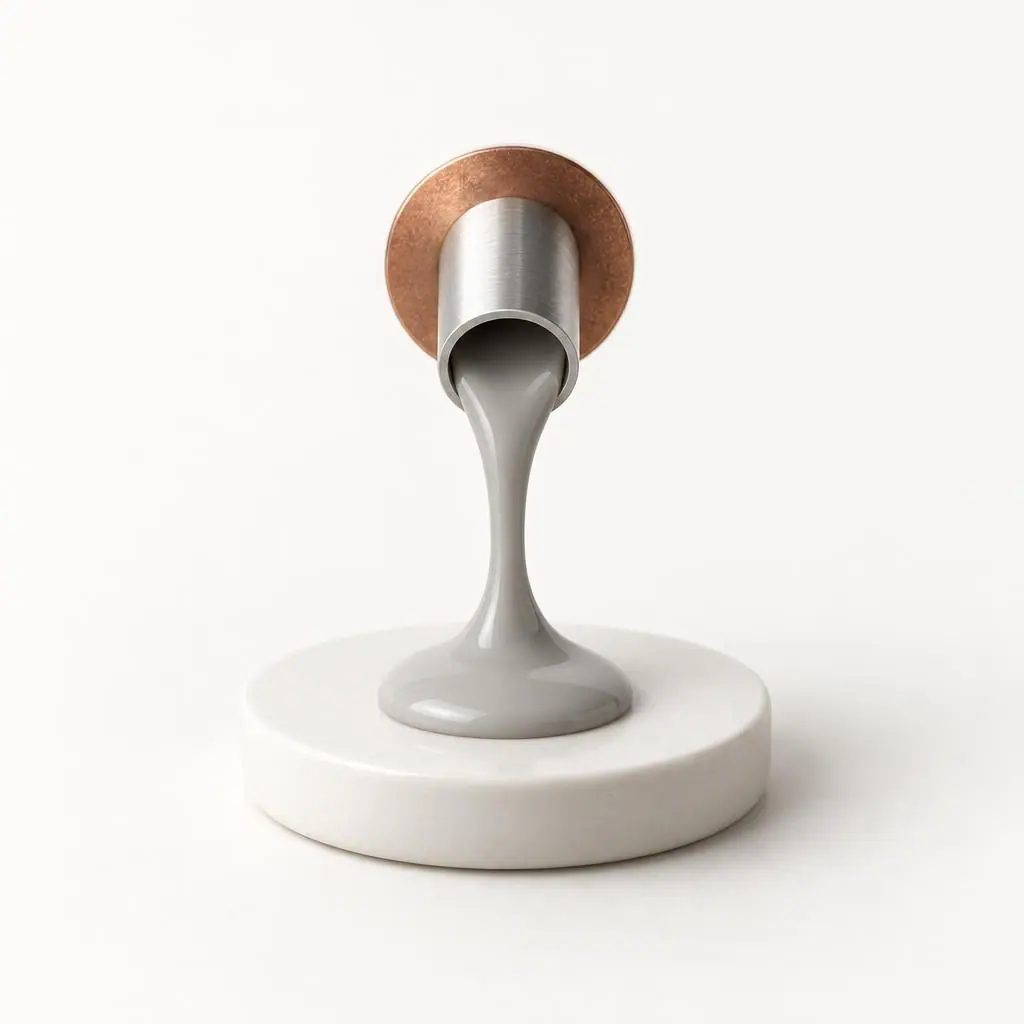 ≤300Pa·s
Auto-dispensing viscosity
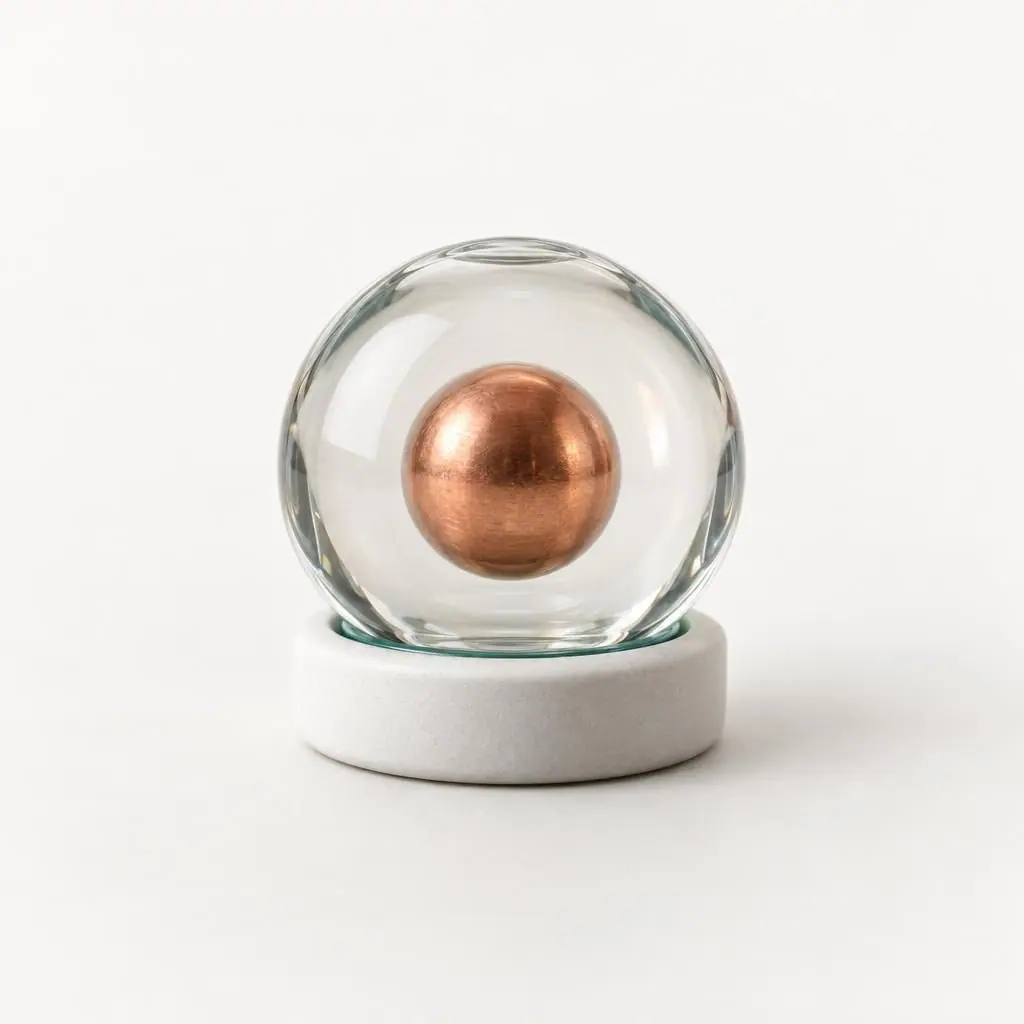 1012Ω·cm
Volume resistivity
 1,000+
Thermal cycle durability
02Product Forms
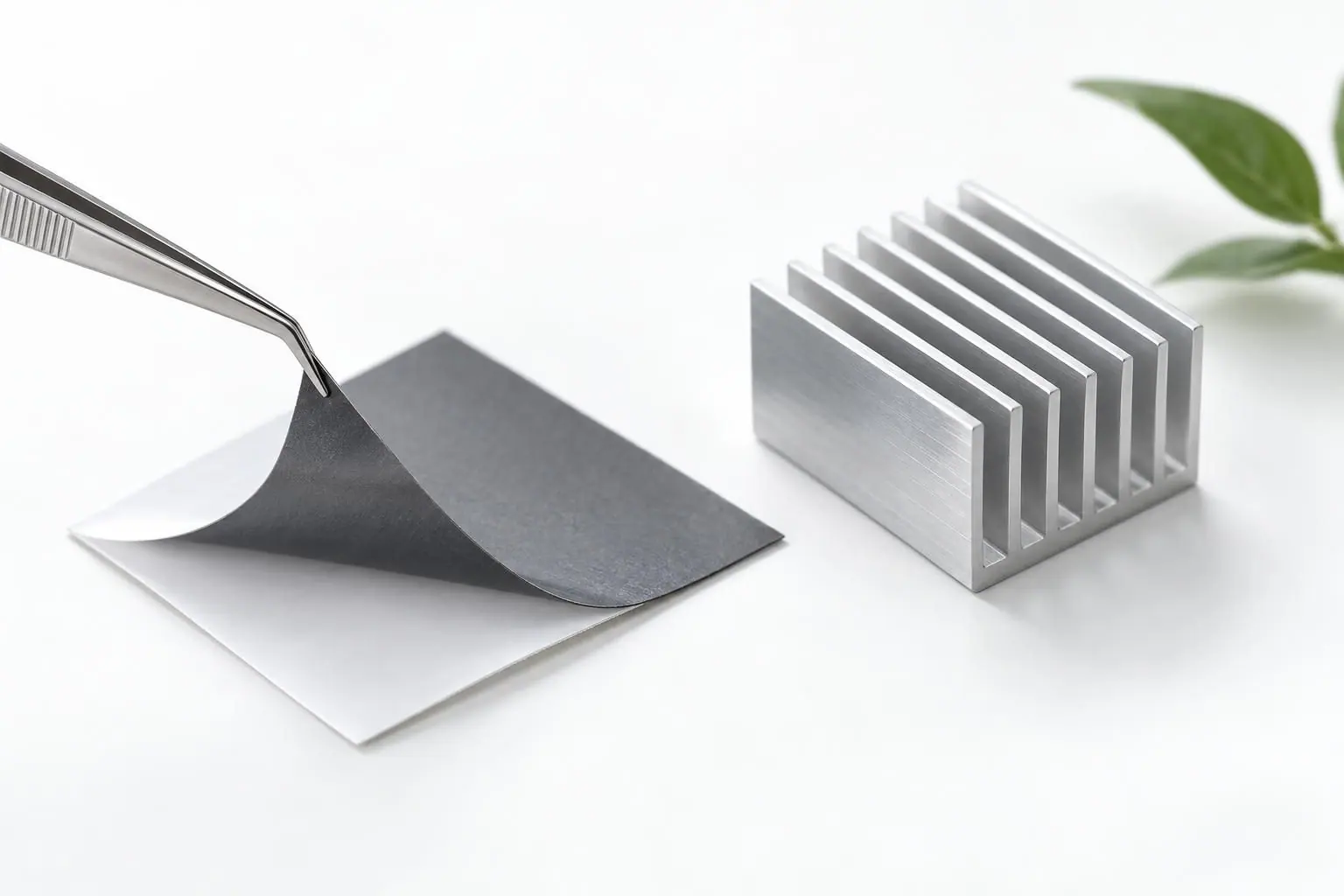
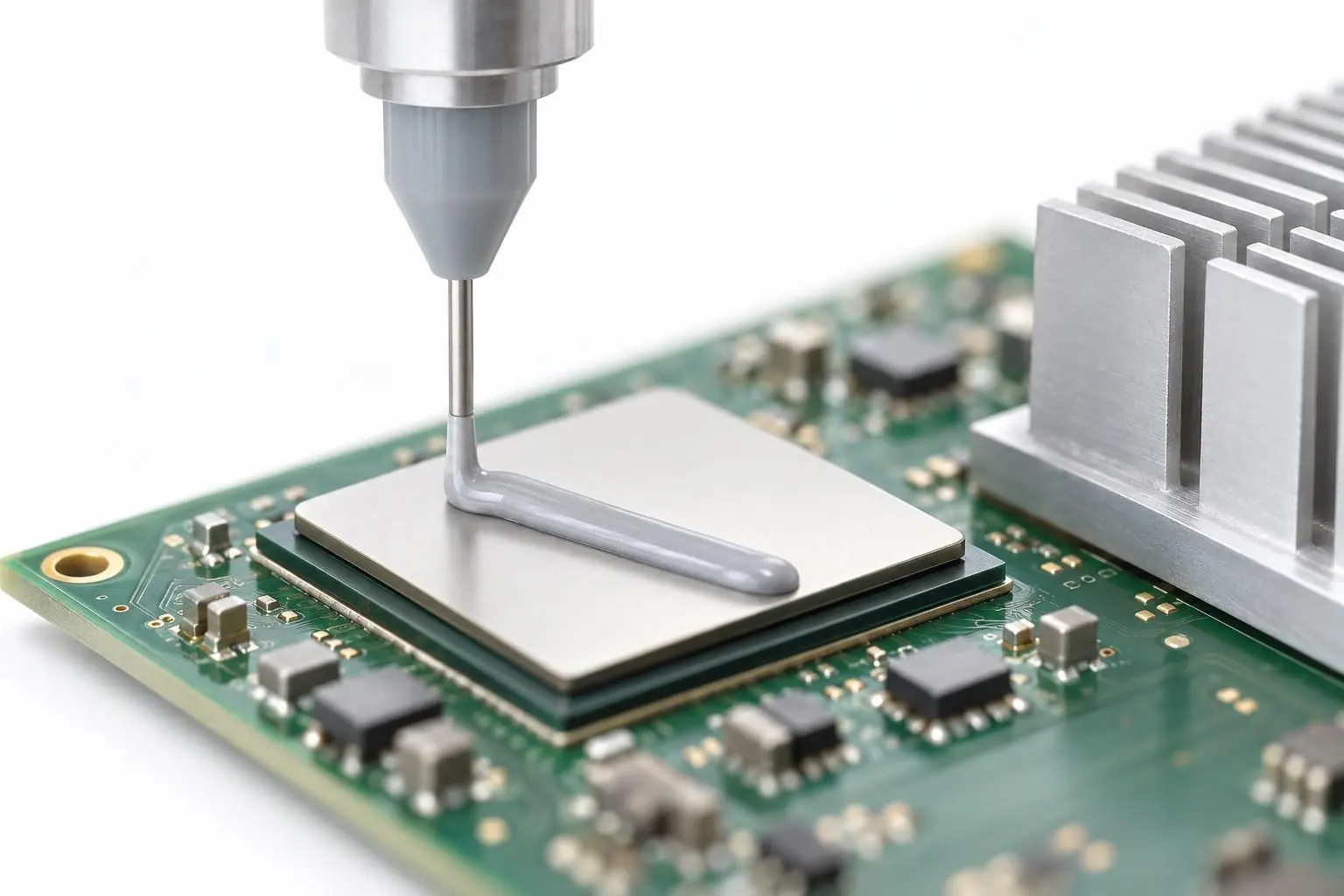
Thickness ranges from 0.1 to 0.5 mm. Viscosity at or below 300 Pa·s suits automated dispensing.
Fill the gaps between battery cells and modules, or chips and heat sinks.
Light and thin, suited to drones and small mobility.
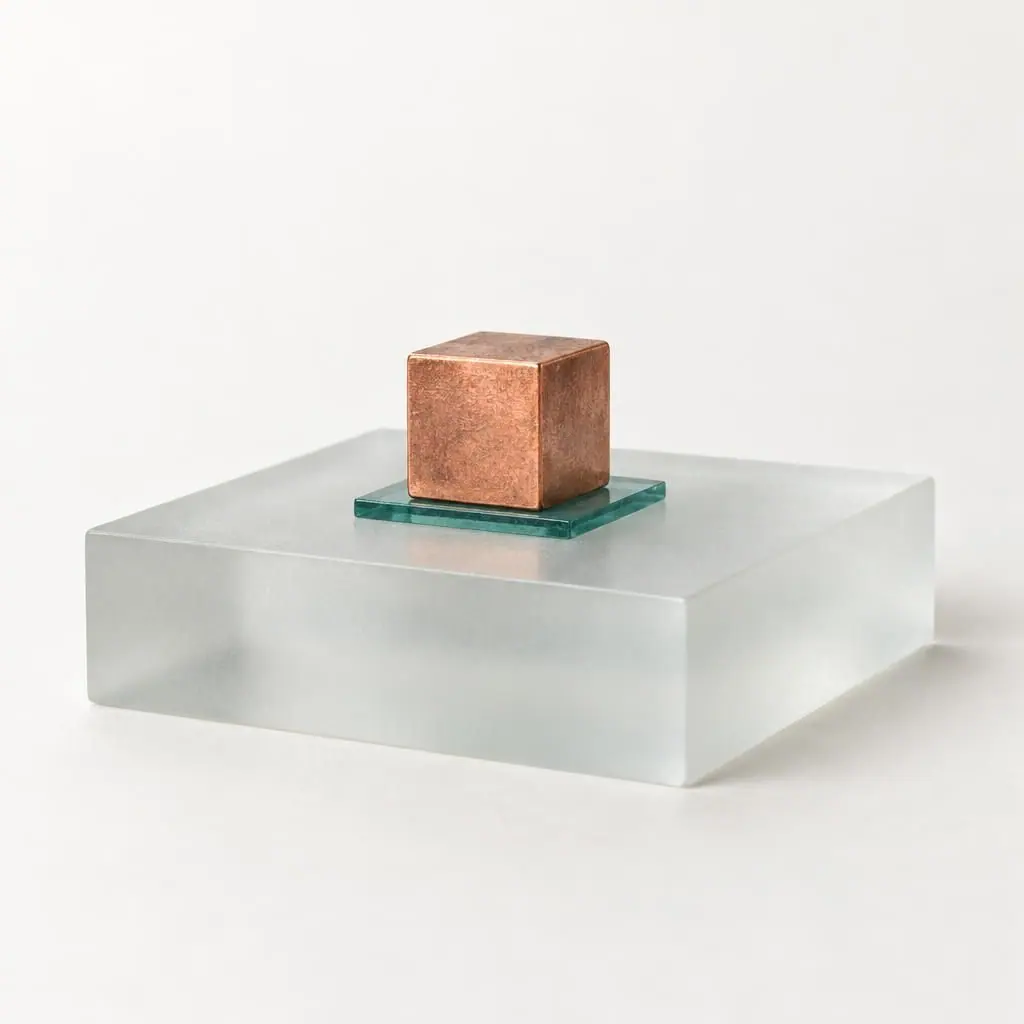
A 3D copper network reaches 12 W/mK in every direction.
03How It Is Made
Ceramic fillers need processes above 2,000℃; ours runs at mid-to-low temperatures.
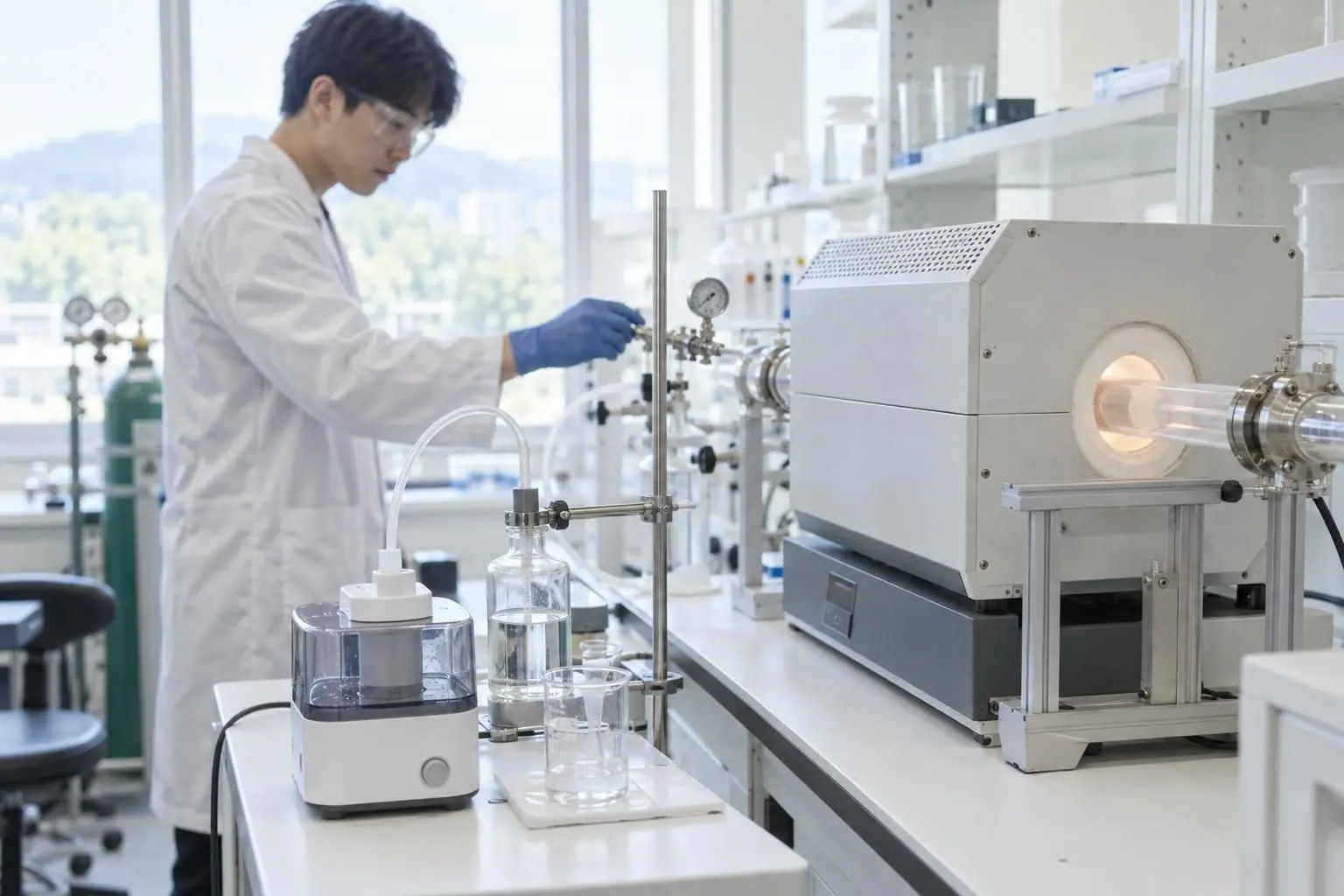
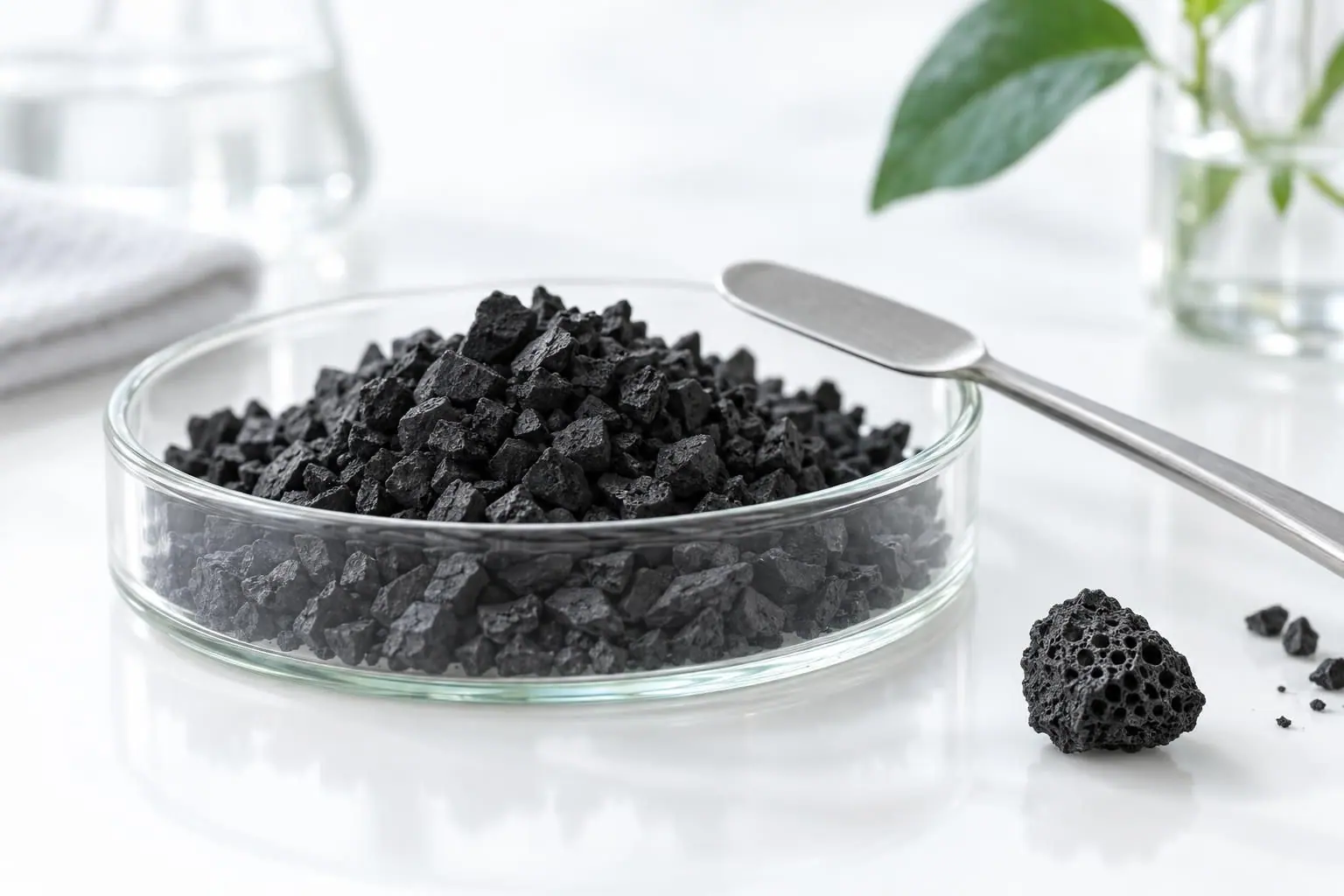
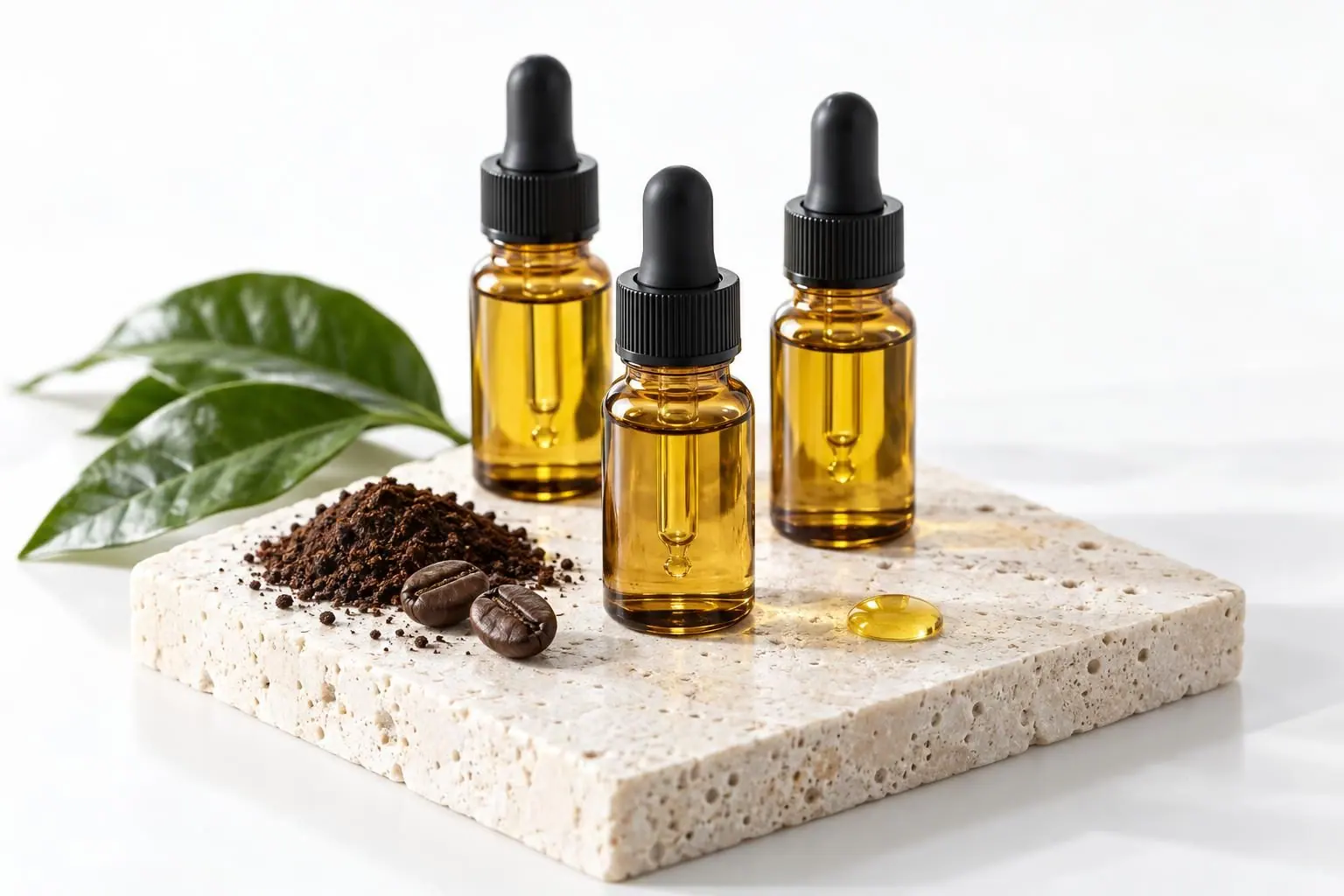
Defatting and activation extract coffee oil and polyphenols and form a porous carbon precursor at near-zero raw cost.
Ultrasonic droplets form 10 μm spherical CuO-C particles that roll like ball bearings, tackling viscosity at the source.
Reduction at 700℃ or below builds a continuous 3D copper network for isotropic 12 W/mK.
A sol-gel coating under 50 nm prevents copper oxidation and secures 10¹² Ω·cm volume resistivity.
04Versus Ceramic
| Item | Ceramic filler | Thermophene Cu-C |
|---|---|---|
| Process temperature | 2,000℃ or higher | 700℃ or below |
| Heat direction | Depends on particle shape | Isotropic via Cu 3D network |
| Carbon | High emissions from high-heat processes | 100% biogenic carbon |
| Supply | Japan, US and Germany | Domestic core technology |
05Applications
AI Infrastructure
Pulls heat away from 1,000 W+ GPUs and servers.
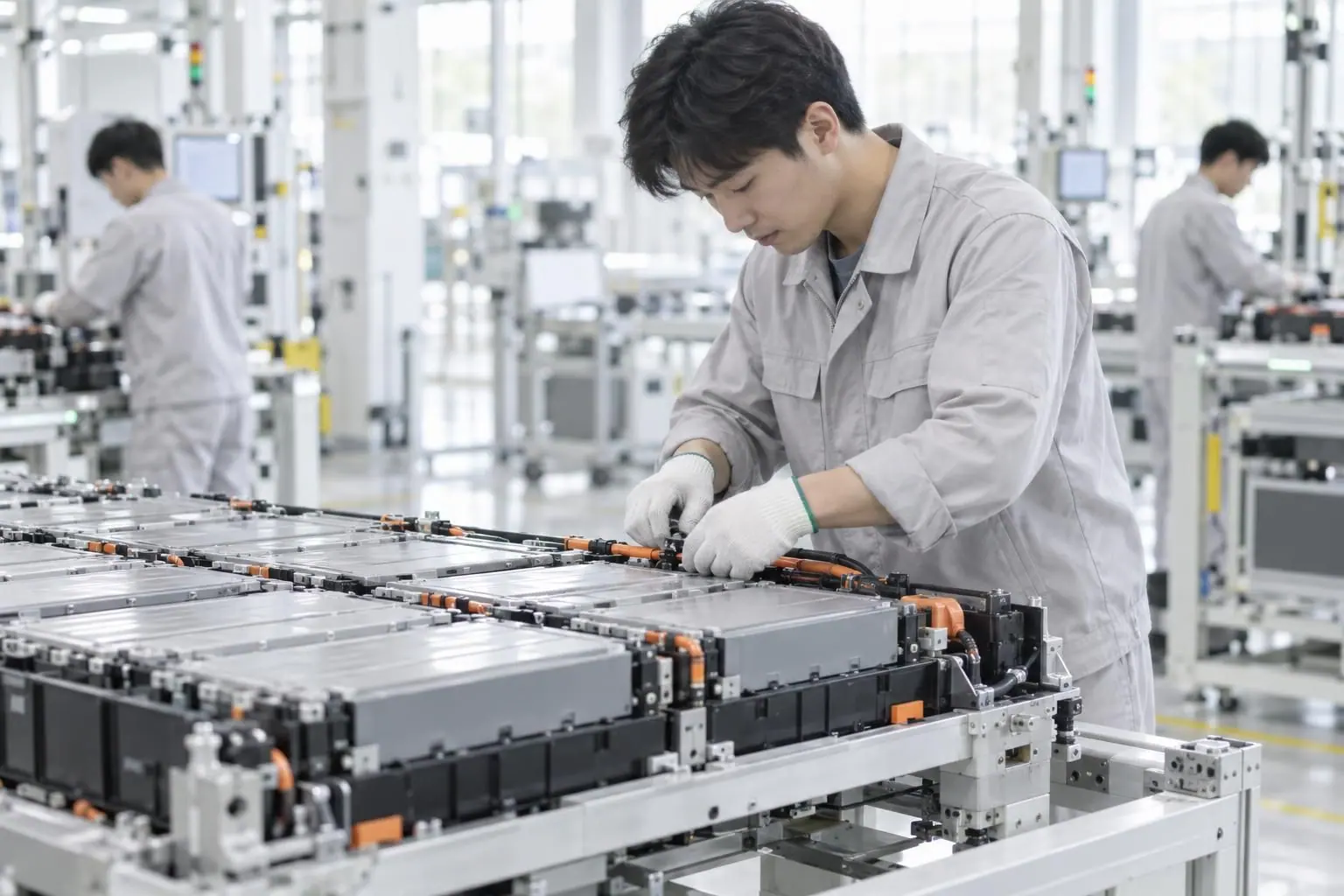
Electric Vehicle
Gap fillers between cells spread heat evenly.
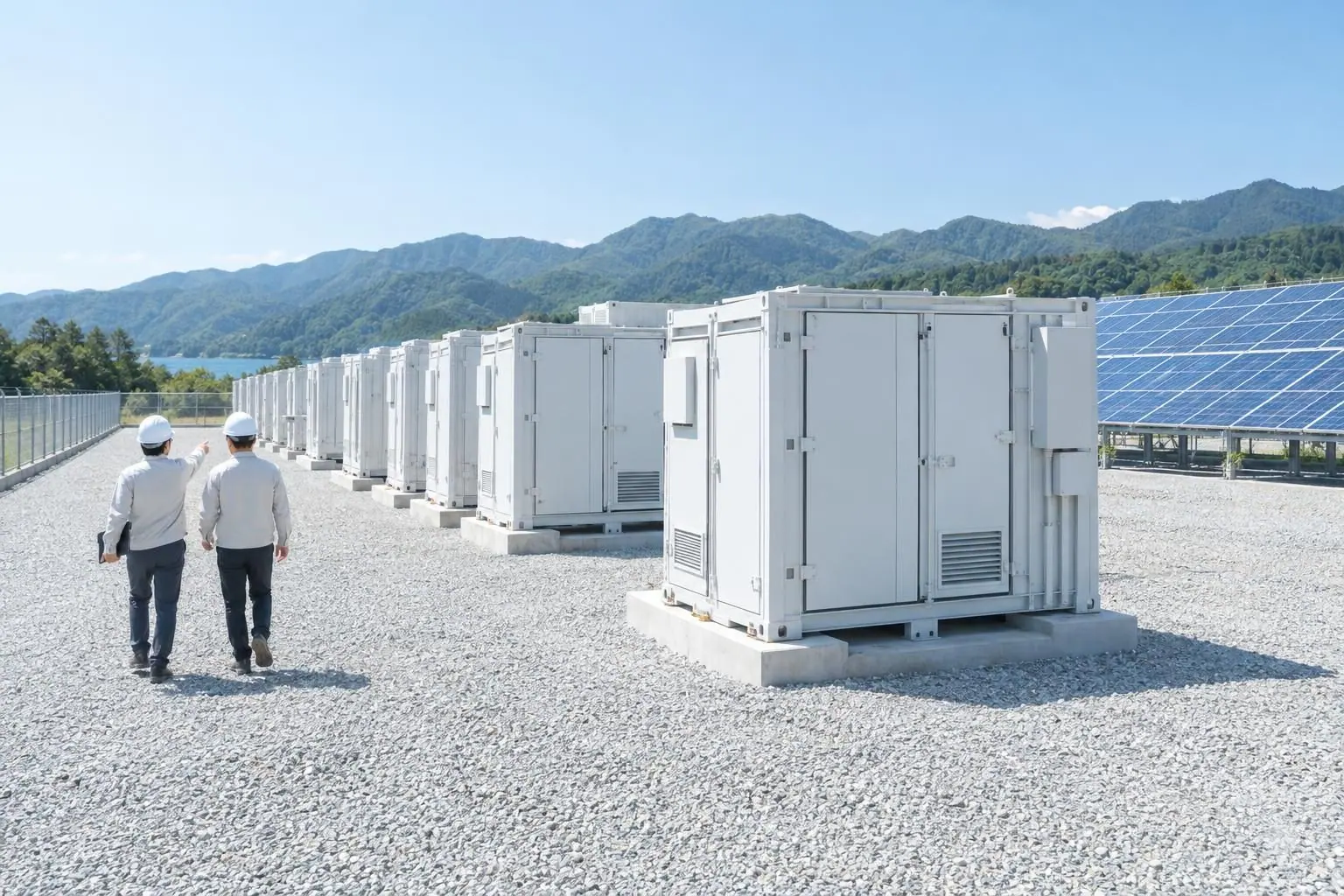
Energy Storage
Improves long-term reliability of always-on storage.
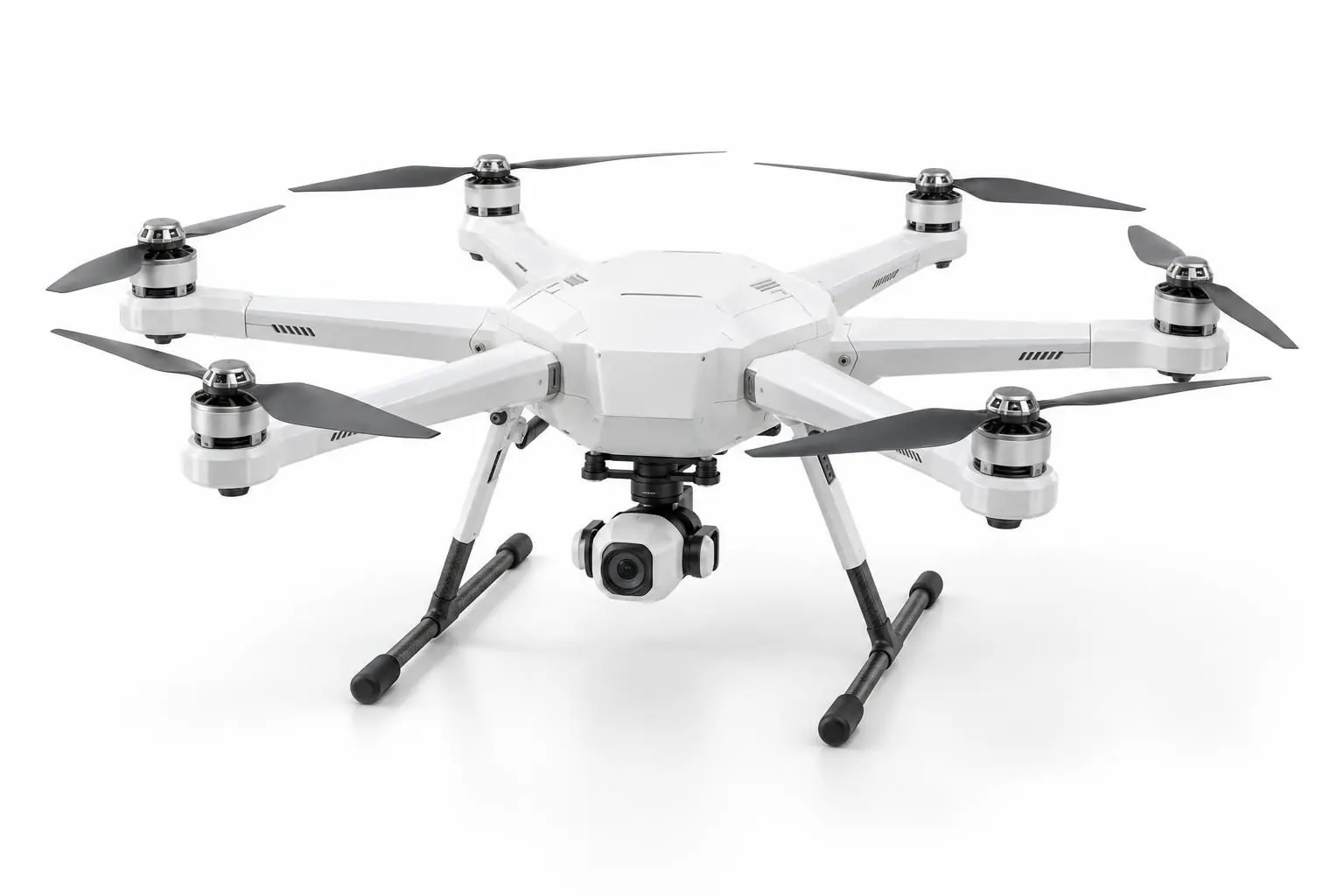
Small Mobility
Light, thin fillers and sheets cool ESCs and batteries.
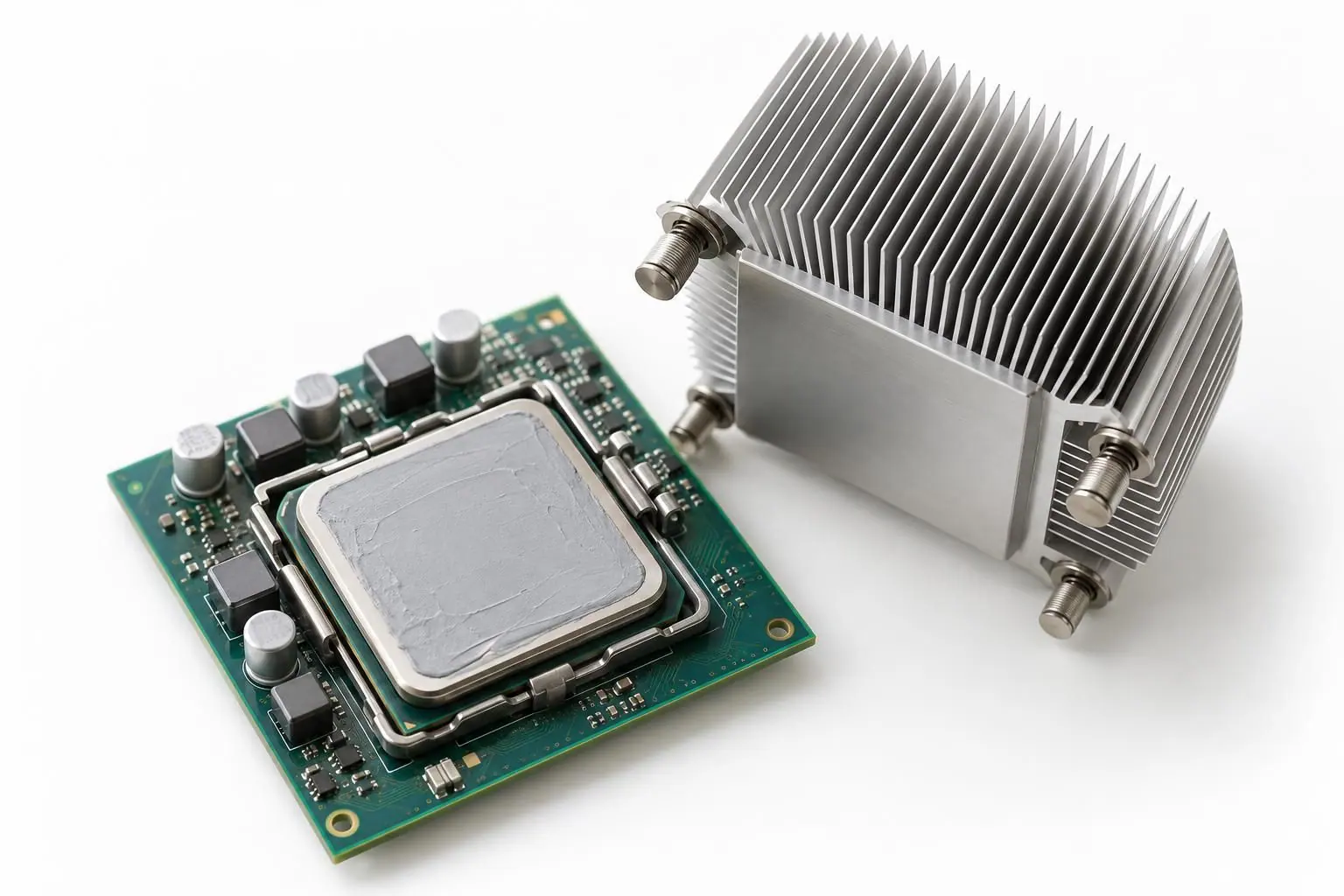
Electronics
Fills chip-to-heatsink gaps to cut contact resistance.
Beyond Cooling, Towards Green
Sample requests, partnerships or investment. Leave a note and we will reply personally.