Business

One raw material,three businesses

All three start from spent coffee grounds. Thermal materials lead, while porous carbon and cosmetic ingredients support research.
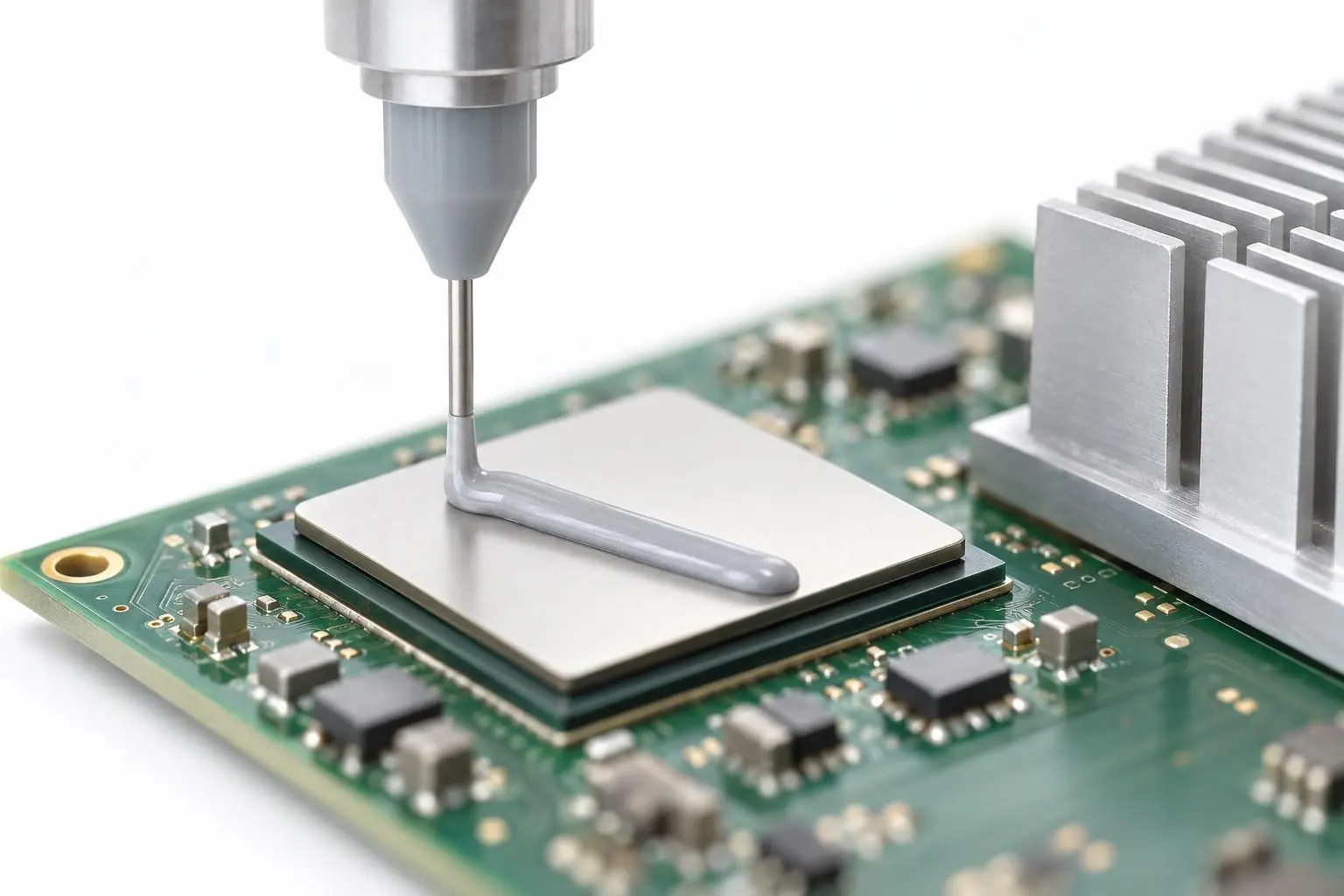
A dispensing needle laying grey thermal paste on a component

01 Thermal Materials

Thermal Materials

Cu-C hybrid TIM filler

Fills the gap between hot components and heat sinks. Spherical Cu-C particles with SiO₂ coating conduct heat while blocking electricity.
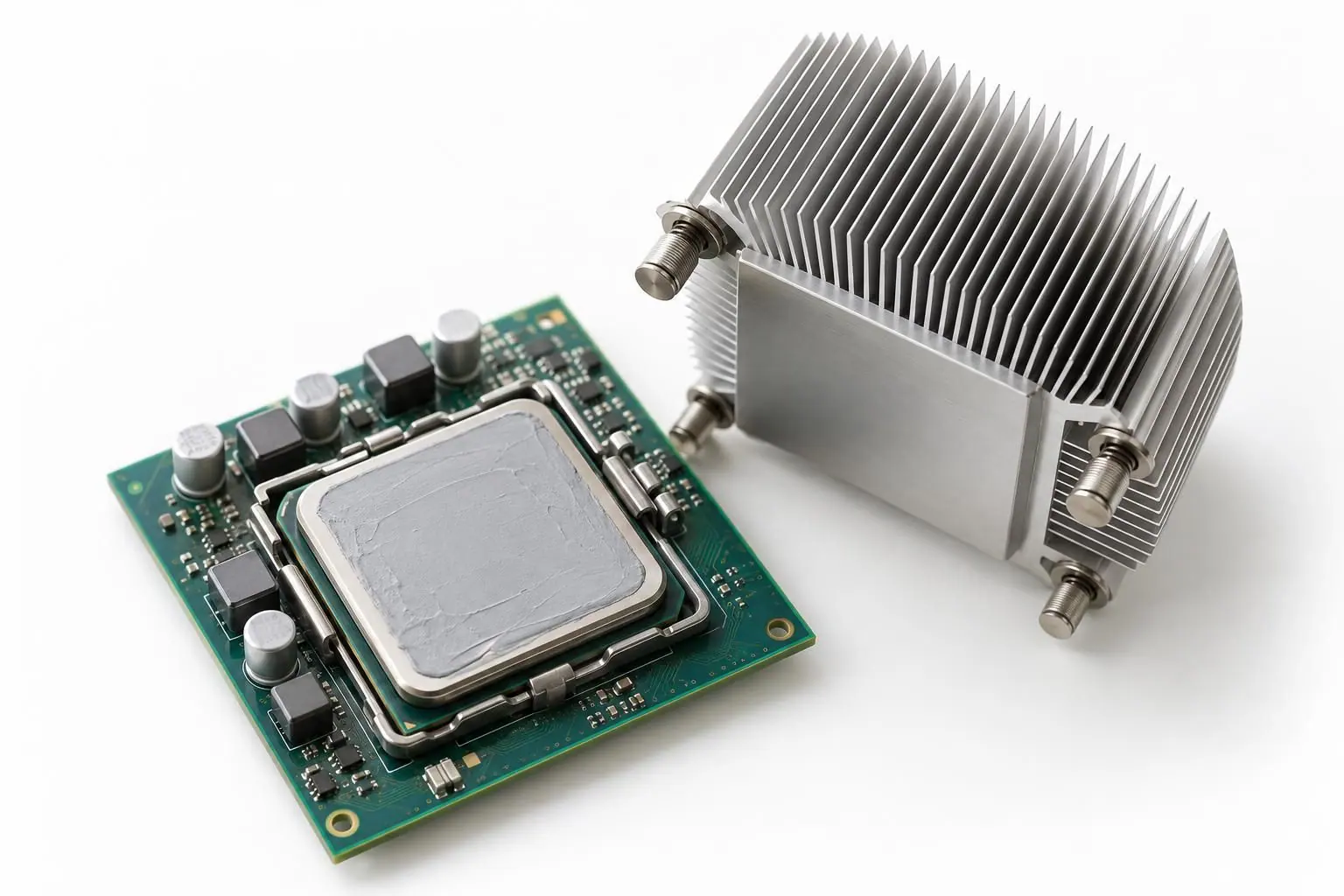
  • 12 W/mK isotropic conductivity
  • Viscosity ≤300 Pa·s for auto-dispensing
  • 10¹² Ω·cm volume resistivity
  • 1,000+ thermal cycles
  • Gap fillers and sheets, 0.1 to 0.5 mm
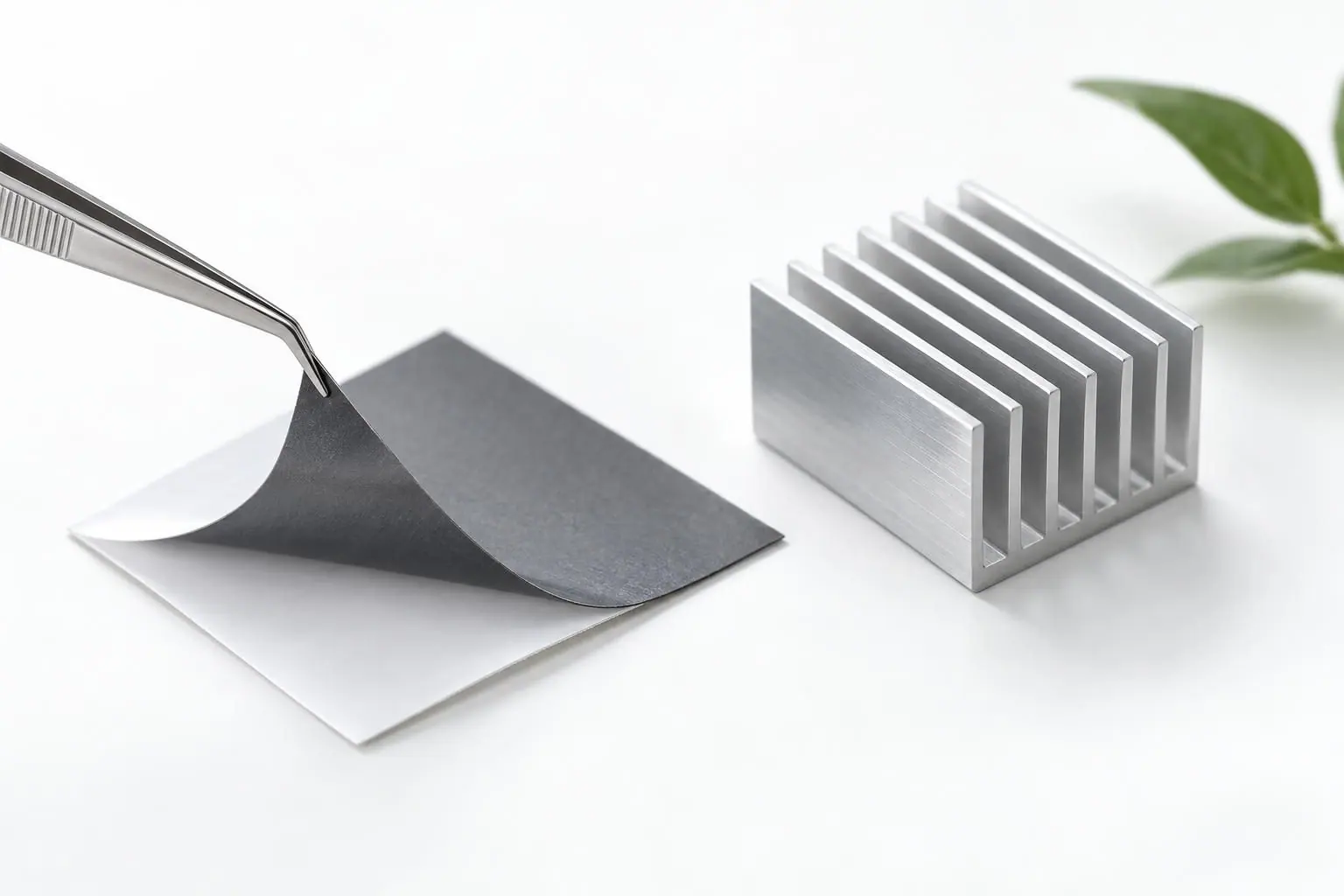
A thermal pad being peeled
Automated thermal paste dispensing
A chip with thermal paste and a heat sink

02 Porous Carbon

Porous Carbon

Carbon structures for deodorizers

Activating coffee grounds creates carbon with both micro and meso pores, supplied as a deodorizer feedstock that traps odor molecules.
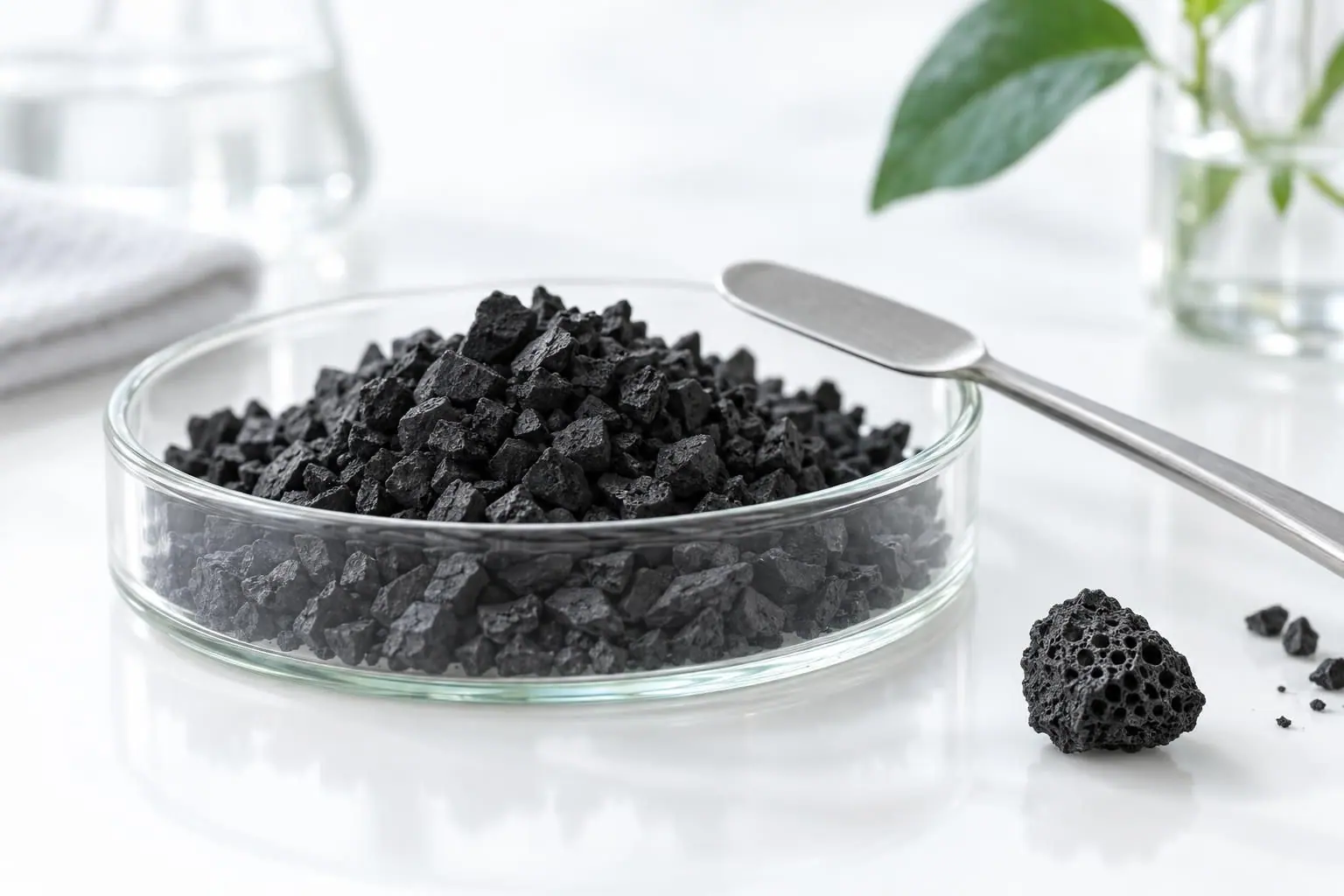
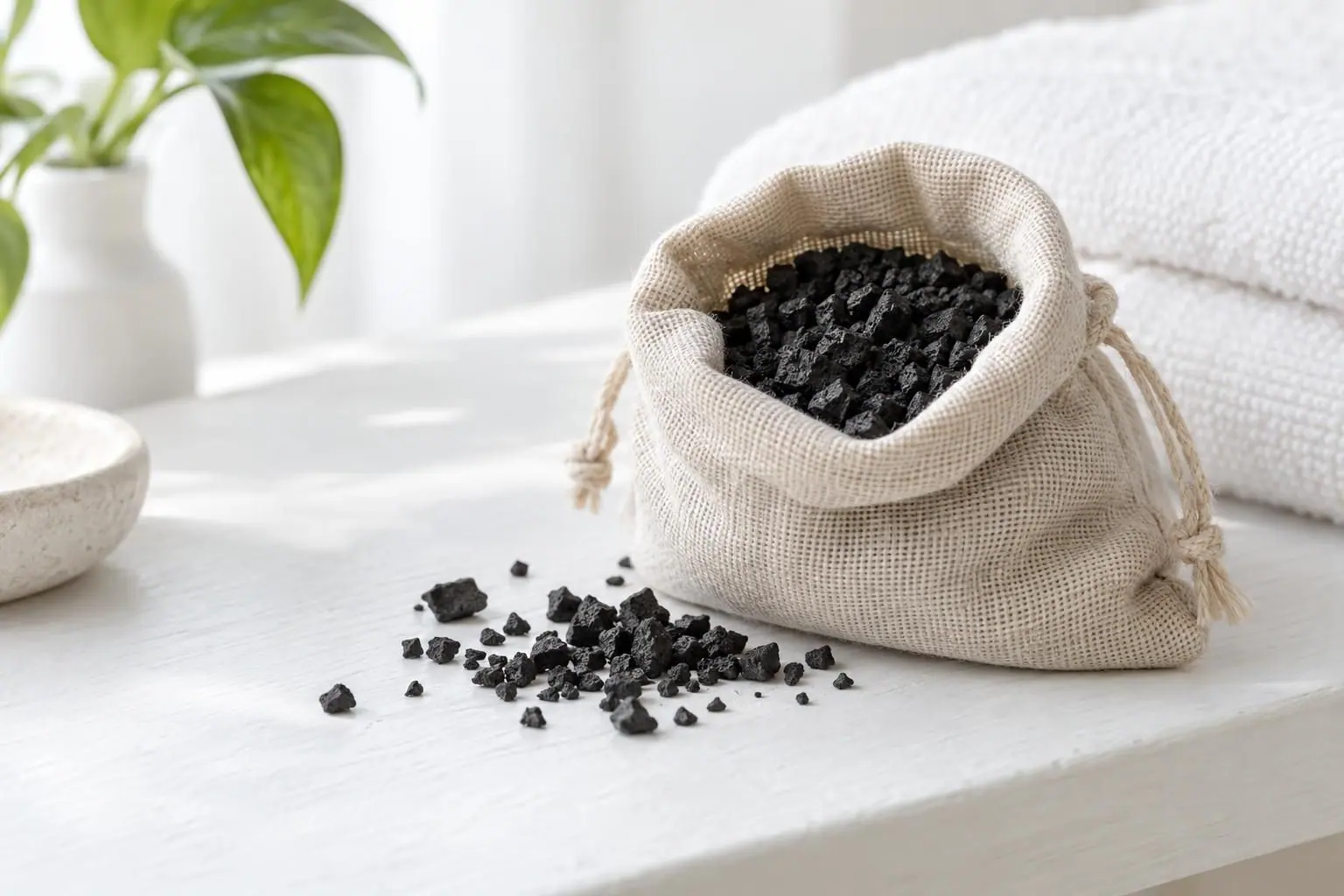
  • Micro and meso pore structure
  • About 40% carbon yield
  • A by-product of the step before filler production
Black porous carbon granules in a glass dish
A linen pouch filled with carbon granules
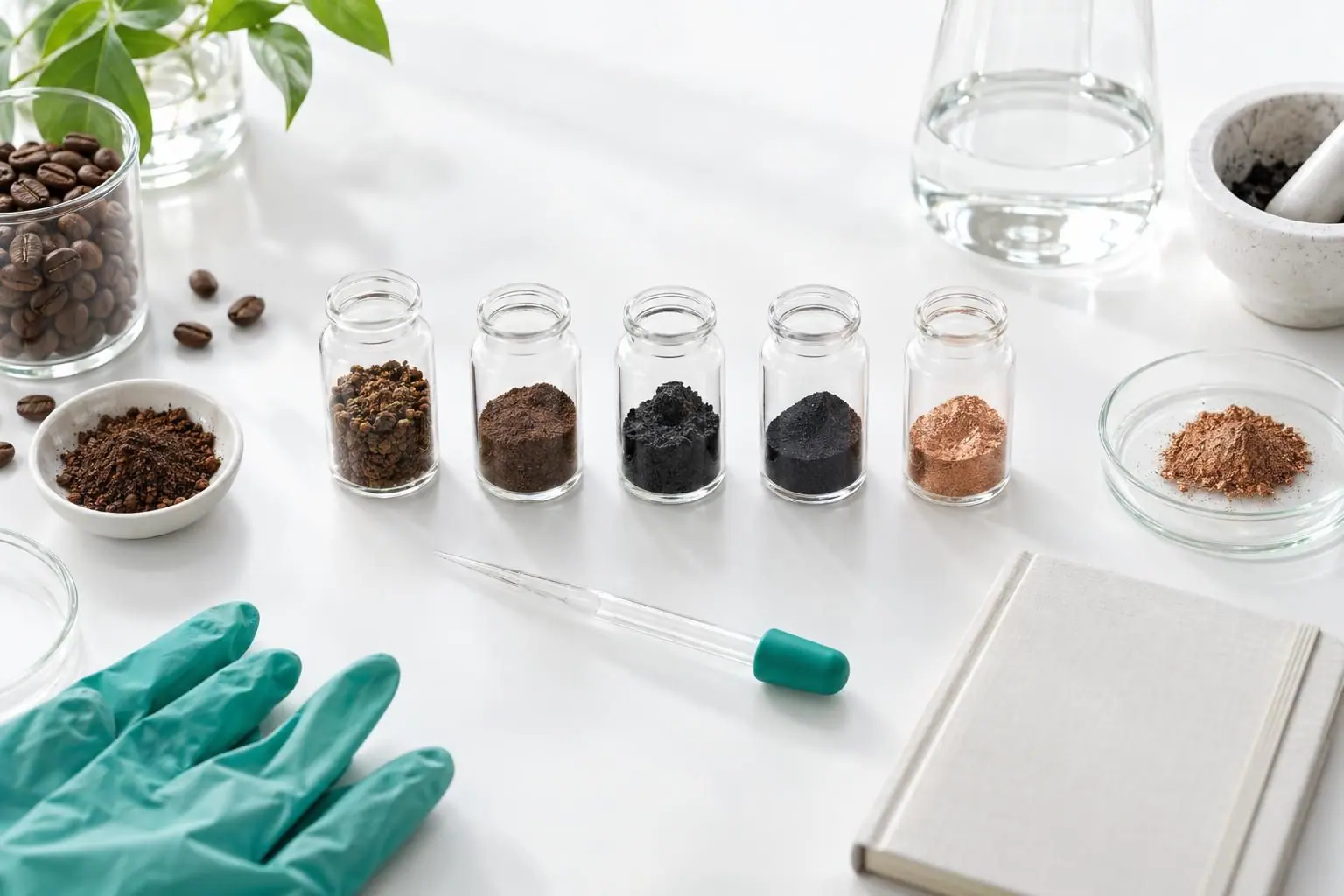
Sample vials in process order

03 Cosmetic Ingredients

Cosmetic Ingredients

Coffee oil from spent grounds

Defatting spent grounds yields coffee oil and polyphenols, supplied as cosmetic ingredients for early revenue.
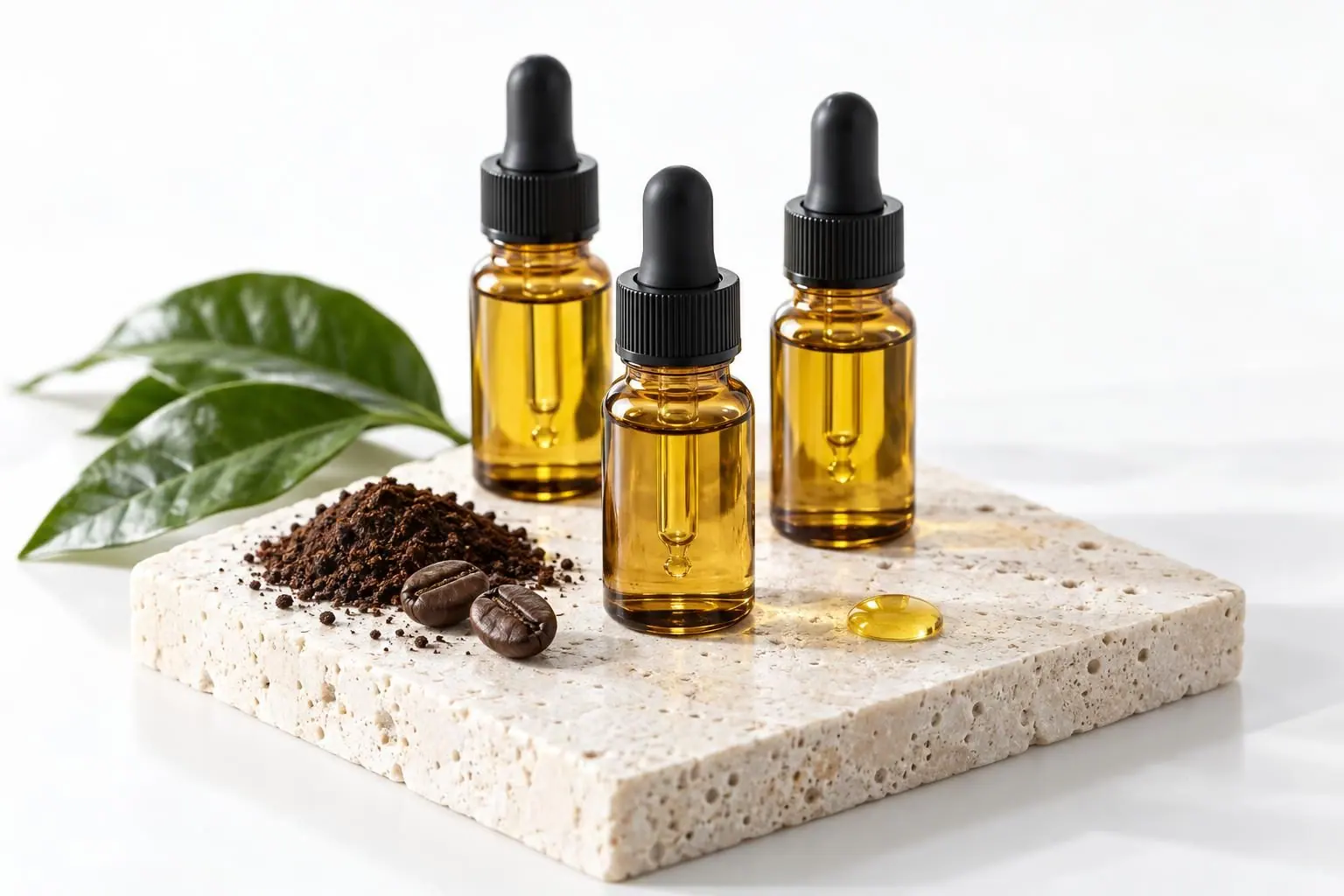
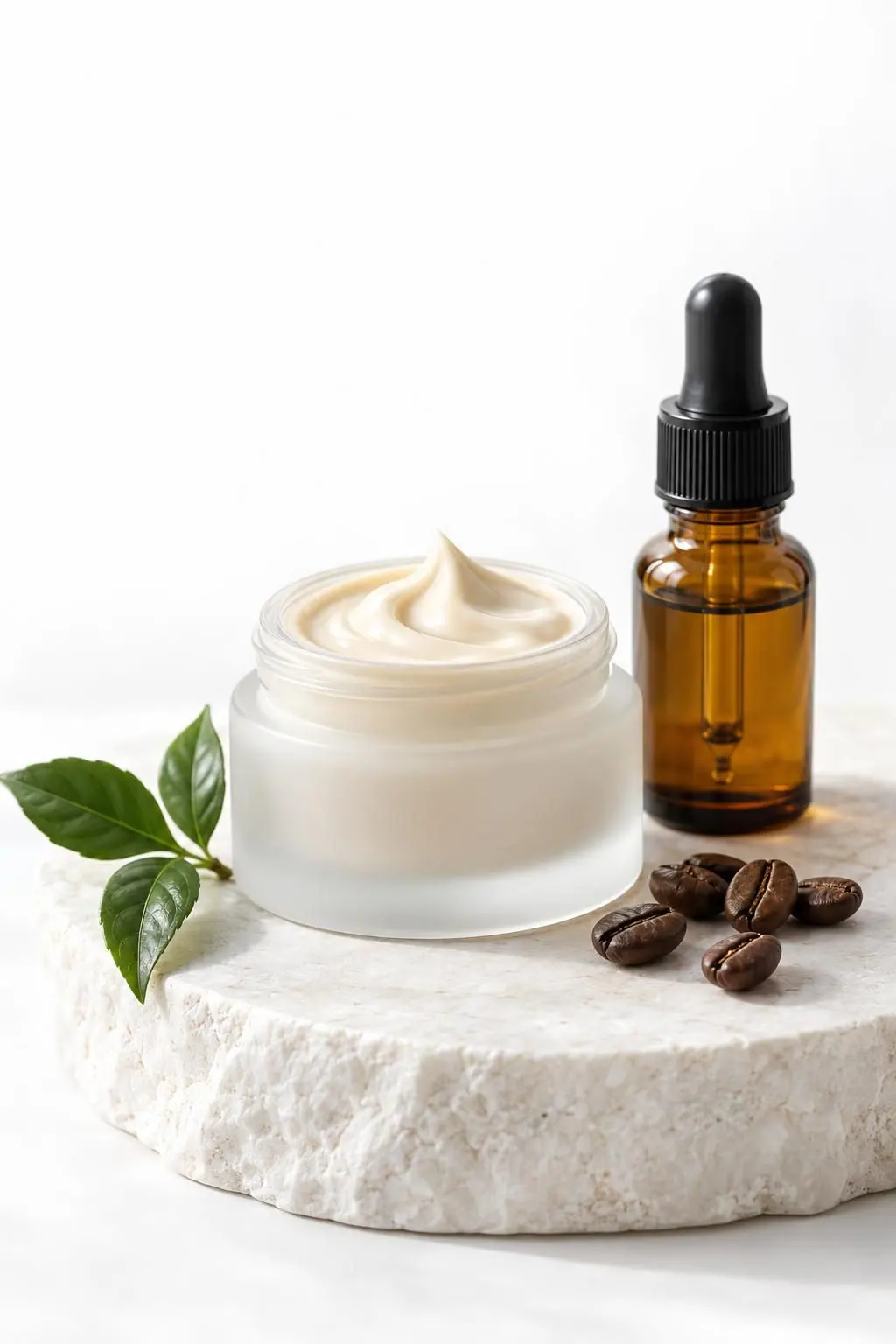
  • Coffee oil from defatting
  • Polyphenol extraction
  • MOU and letter of intent with a cosmetic ingredient company, April 2026
Three amber bottles of coffee oil on stone
A cream jar and a coffee oil bottle
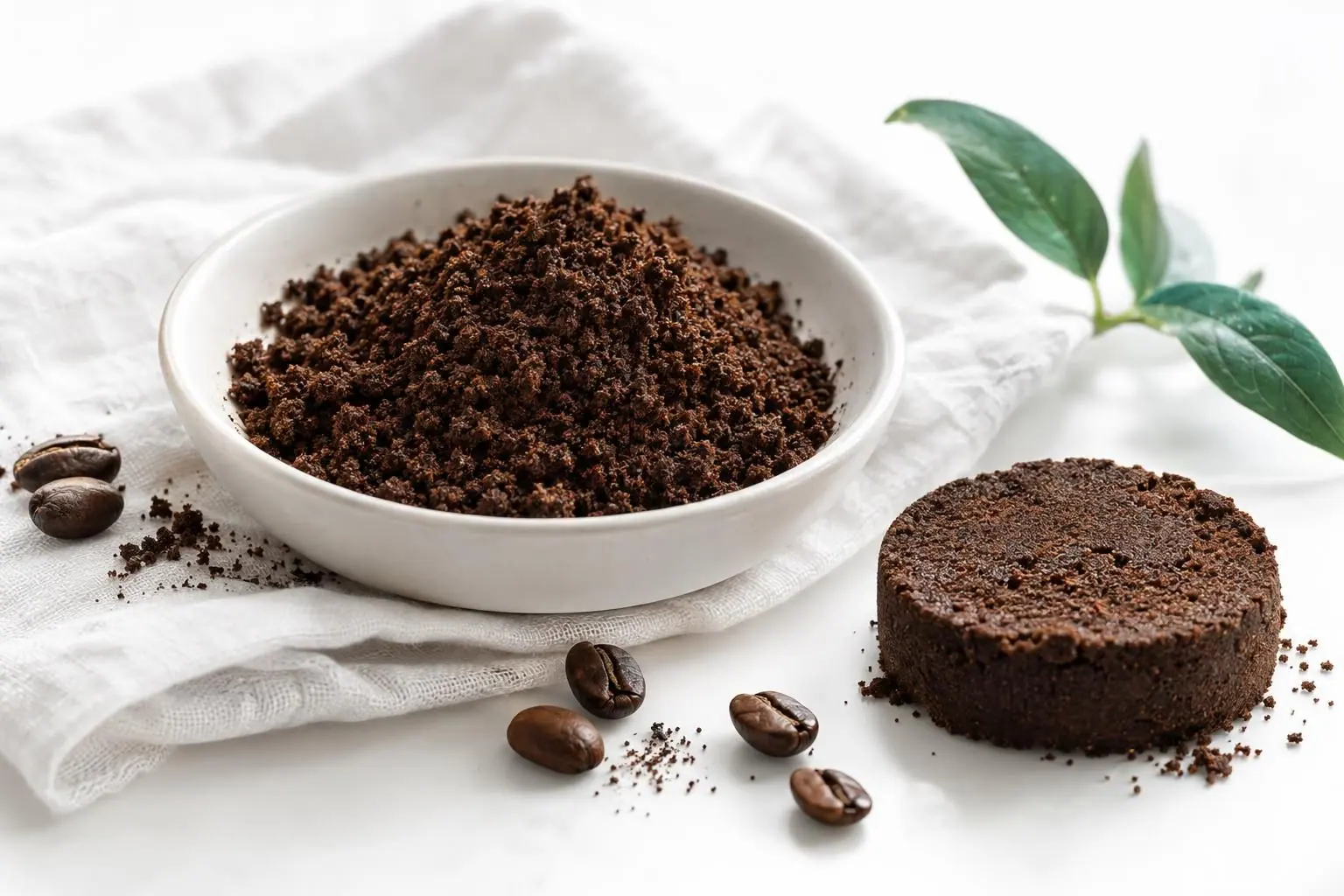
Spent coffee grounds in a white bowl

04Applications

From small dronesto AI infrastructure

AI Infrastructure

AI data centers

Pulls heat away from 1,000 W+ GPUs and servers.

Electric Vehicle

EV batteries

Gap fillers between cells spread heat evenly.
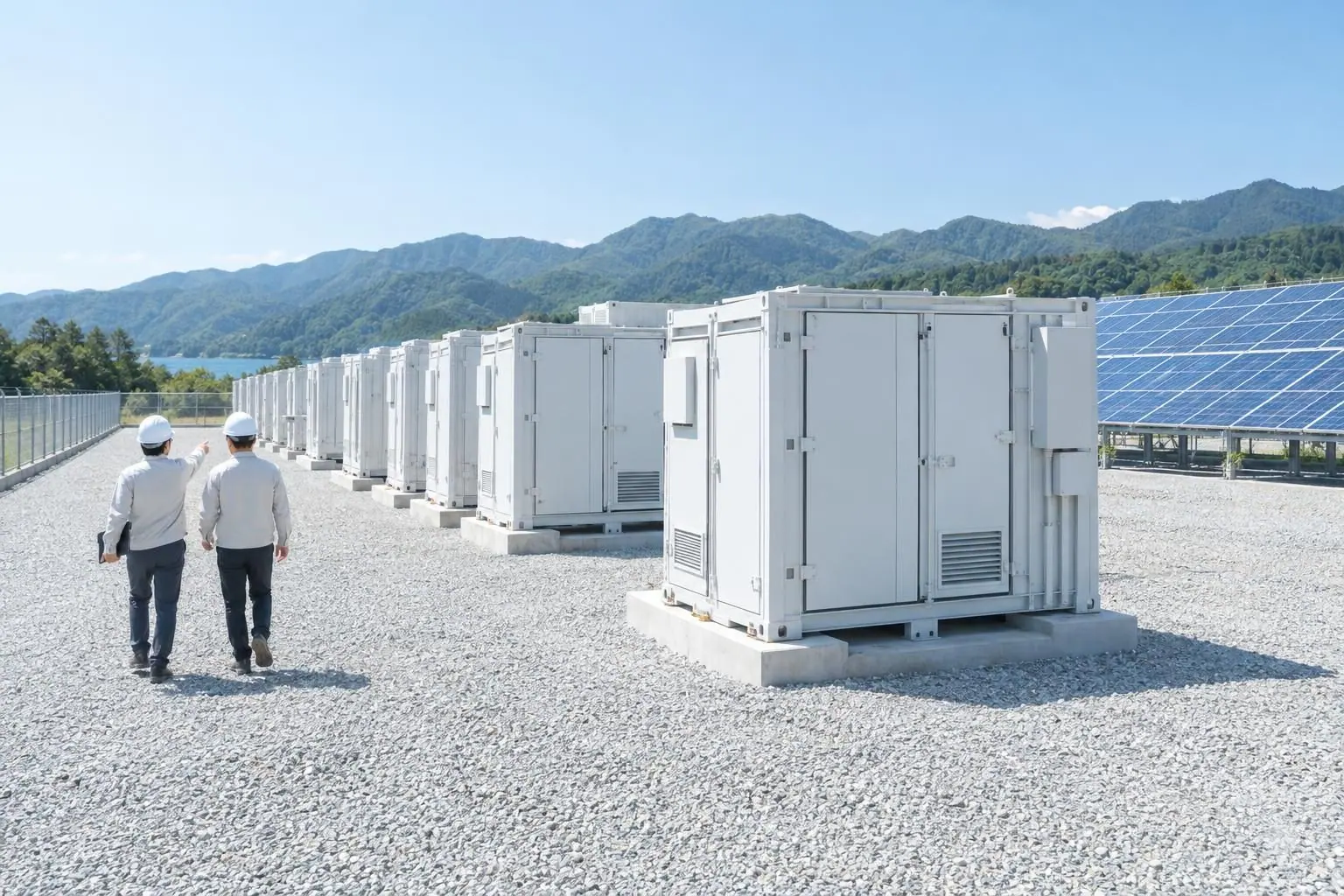
Energy Storage

Energy storage

Improves long-term reliability of always-on storage.
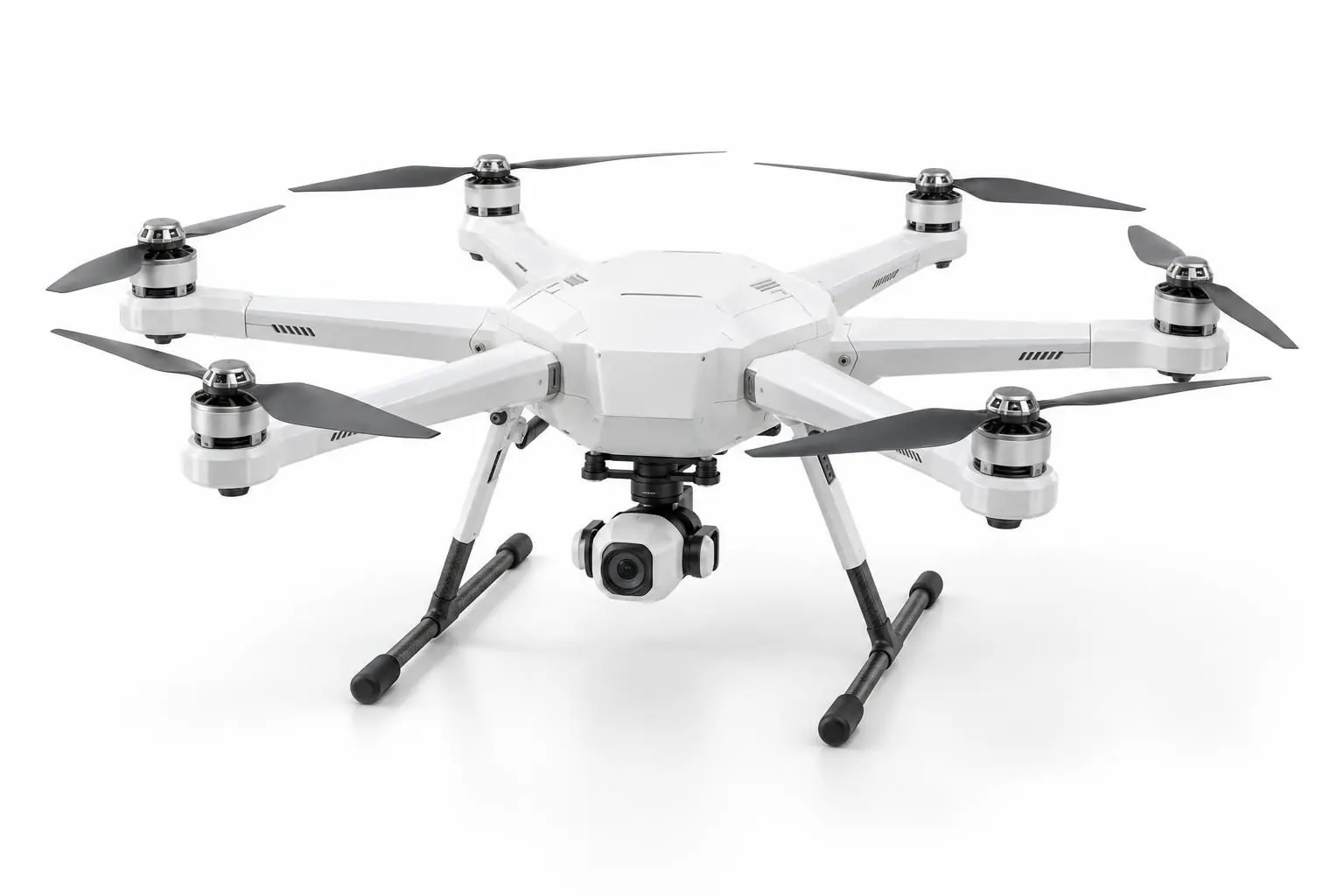
Small Mobility

Drones and small mobility

Light, thin fillers and sheets cool ESCs and batteries.

Electronics

Chip packages

Fills chip-to-heatsink gaps to cut contact resistance.

Example

Thermophene TIM inside a drone

Cu-C gap fillers and sheets go into three spots around the hot ESC and battery.

A white six-rotor industrial drone
  1. Drone frameCarbon fiber, Al
  2. Heat sink (fins)Al
  3. ① Cu-C Hybrid Gap Filler0.1 to 0.5 mm
  4. ESC and MOSFETHeat
  5. ② Cu-C Hybrid Gap FillerFlame barrier
  6. Battery pack (Li-ion, LiPo)Heat
  7. ③ Cu-C Hybrid SheetUnder-battery cooling
  8. Drone frameCarbon fiber, Al

Illustrative example.

05Advantages

Cheaper, cleanerand closer to home

These strengths come from our raw material and process, so they are hard to copy.

  • 40%↓

    Cost

    • Raw material ₩18,420/kg (coffee grounds ₩0, copper nitrate, TEOS)
    • 40%+ below the wholesale price of commodity BN filler (₩250K/kg)
  • 60%↓

    Carbon footprint

    • 100% biogenic carbon
    • 700℃ process instead of 2,000℃+ ceramics
    • Ready for EU CBAM
  • 100%

    Localization

    • 1,000 t/month of coffee grounds in Jeonbuk
    • Domestic core technology reduces import reliance
  • 1,000×

    Added value

    • Coffee upcycling: a niche of a few hundred thousand won per ton
    • Thermal filler: a ₩500K-per-kg market
  • 2

    Patents filed

    • Structure control of biomass-derived carbon (Feb 2026)
    • Accredited certification planned for H2 2026
  • B2B

    Three revenue streams

    • Thermal filler, cosmetic oil, deodorizer feedstock
    • By-product revenue funds R&D

Beyond Cooling, Towards Green

From samples to joint research,let's start together

Sample requests, partnerships or investment. Leave a note and we will reply personally.

Two researchers examining a vial of black powder by the window