
AI Infrastructure
AI data centers
Pulls heat away from 1,000 W+ GPUs and servers.
Green Carbon Thermal Management Platform
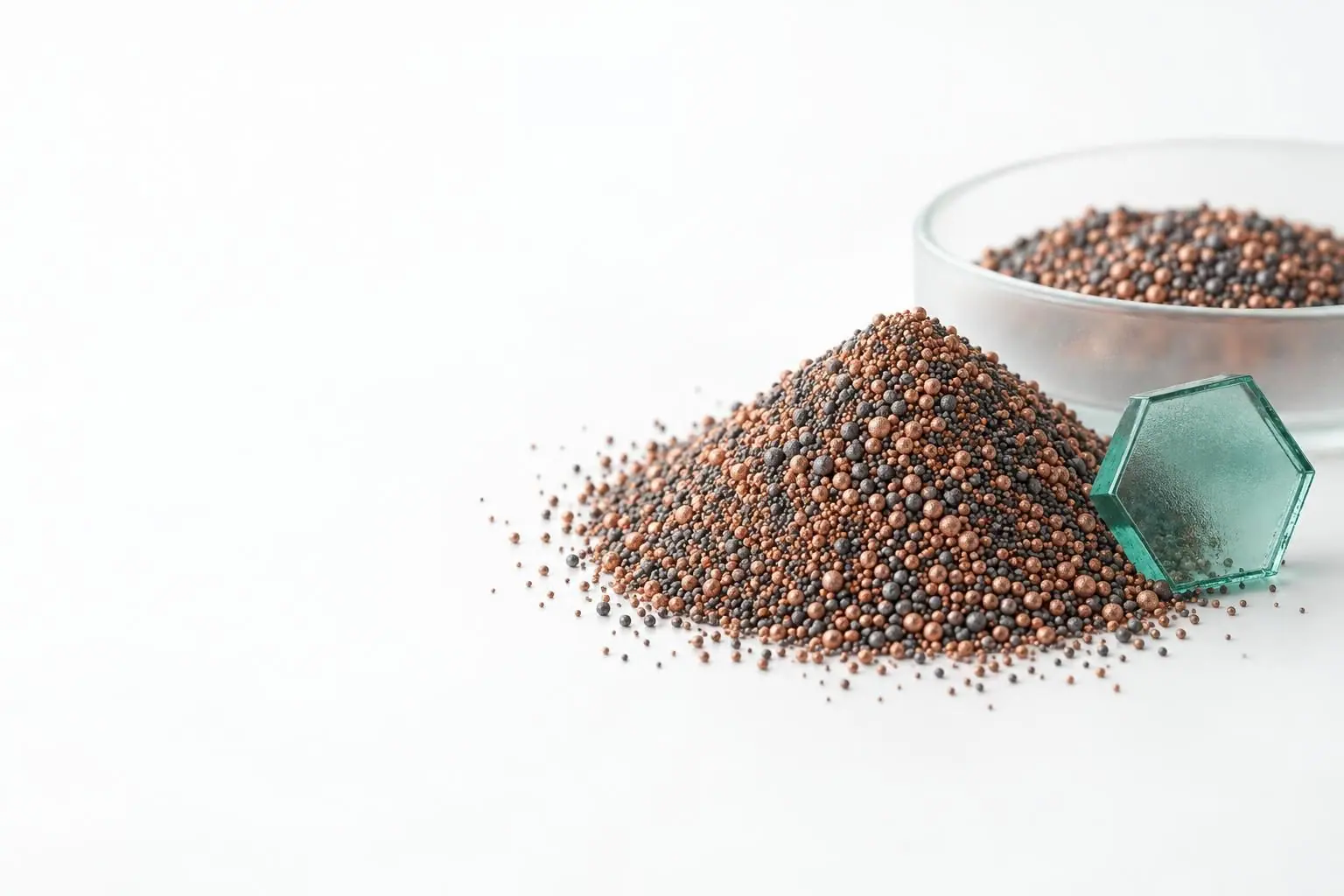
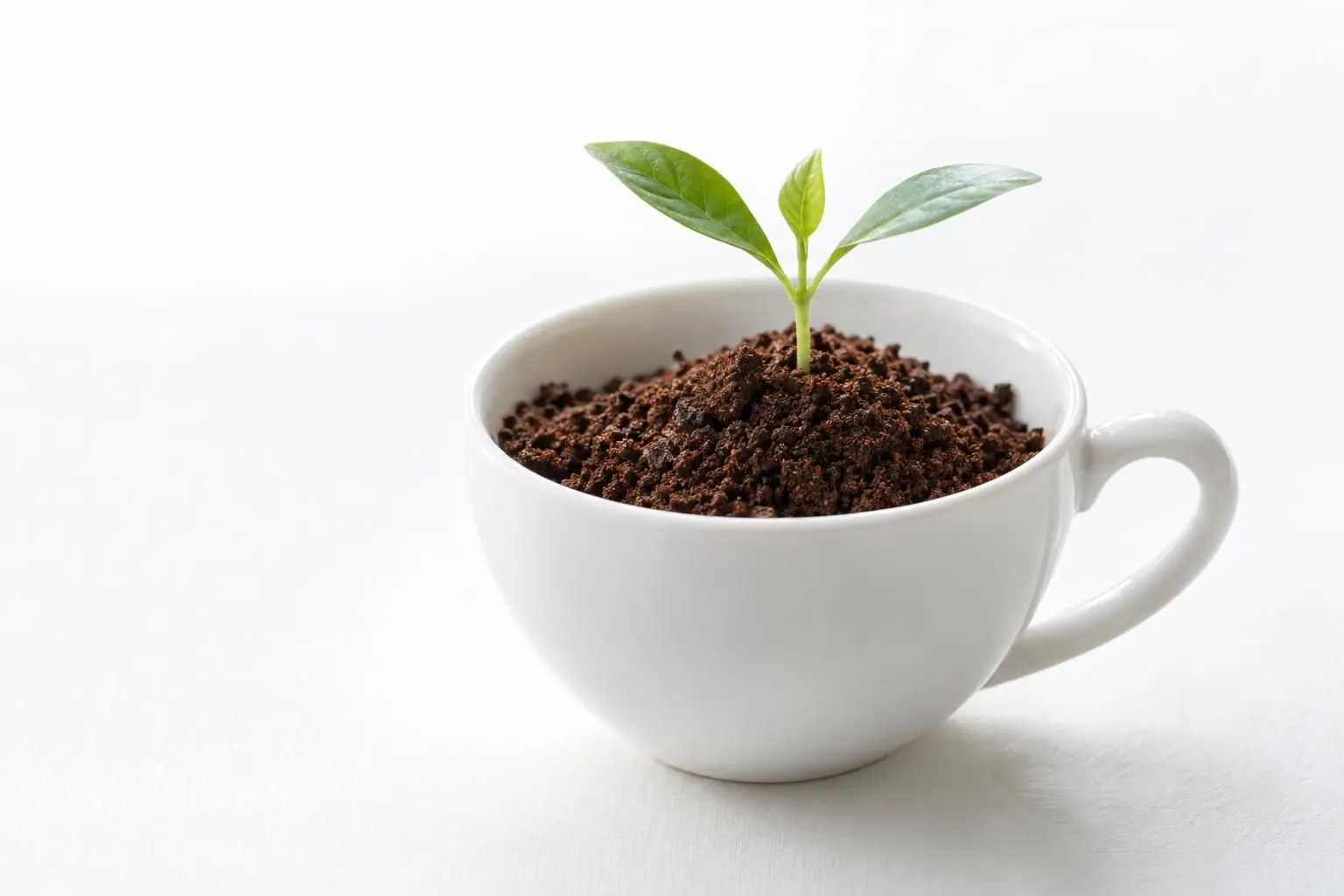
Thermophene makes Cu-C hybrid thermal materials for AI servers, EVs and ESS. Our carbon comes from spent coffee grounds, so it costs less and emits less.
01Market Pain Points
AI chips and batteries run hotter every year while carbon rules tighten. Ceramic fillers and graphite sheets alone cannot handle both.
 01
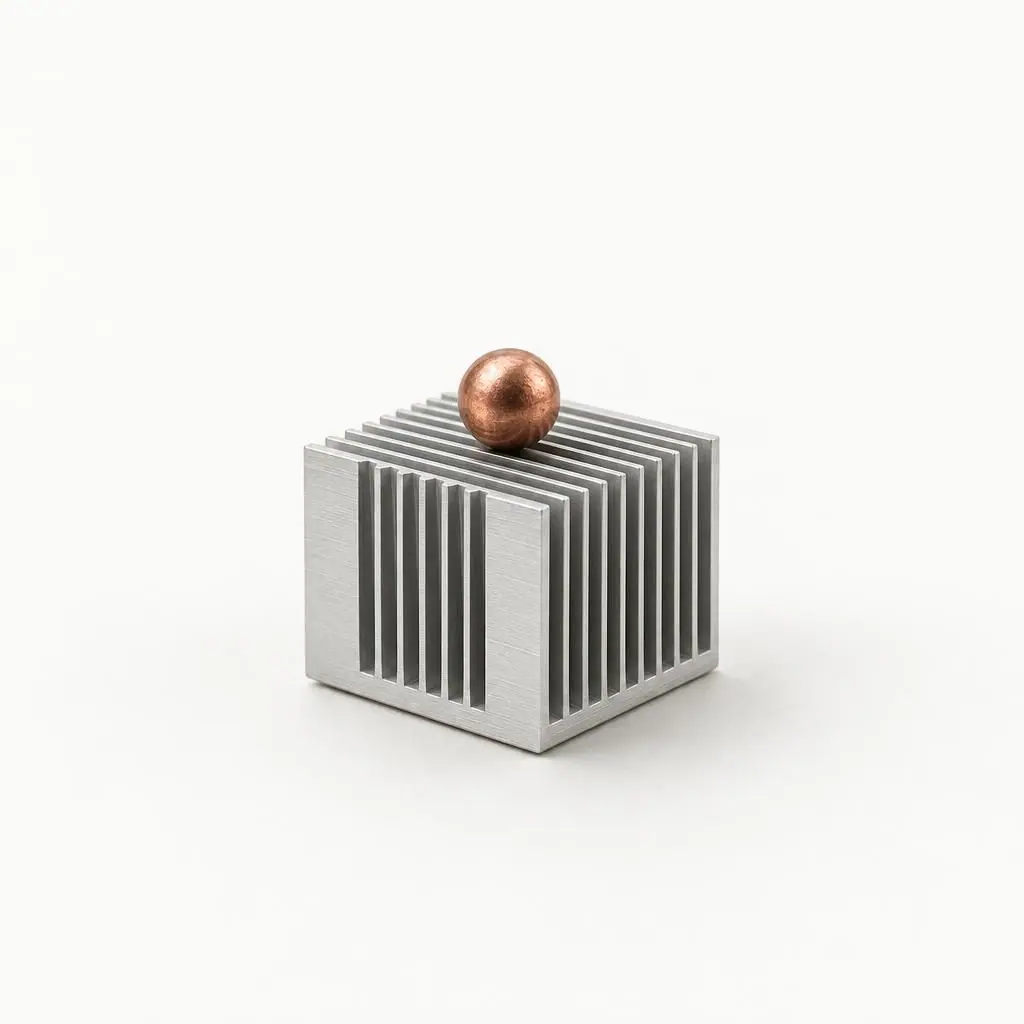
A single GPU now draws over 1,000 W. Conventional materials cannot remove that heat, cutting performance and lifespan.
 02
After 30+ ESS fires in Korea, safety rules rose. Always-on data centers and EVs need materials that last.
 03
80% of premium fillers are imported from Japan, the US and Germany. With EU CBAM from 2026, low-carbon materials are a must.
02Green Carbon Platform
Pressing yields cosmetic oil, activation yields deodorizer carbon, and the final step yields thermal filler. Nothing goes to waste.
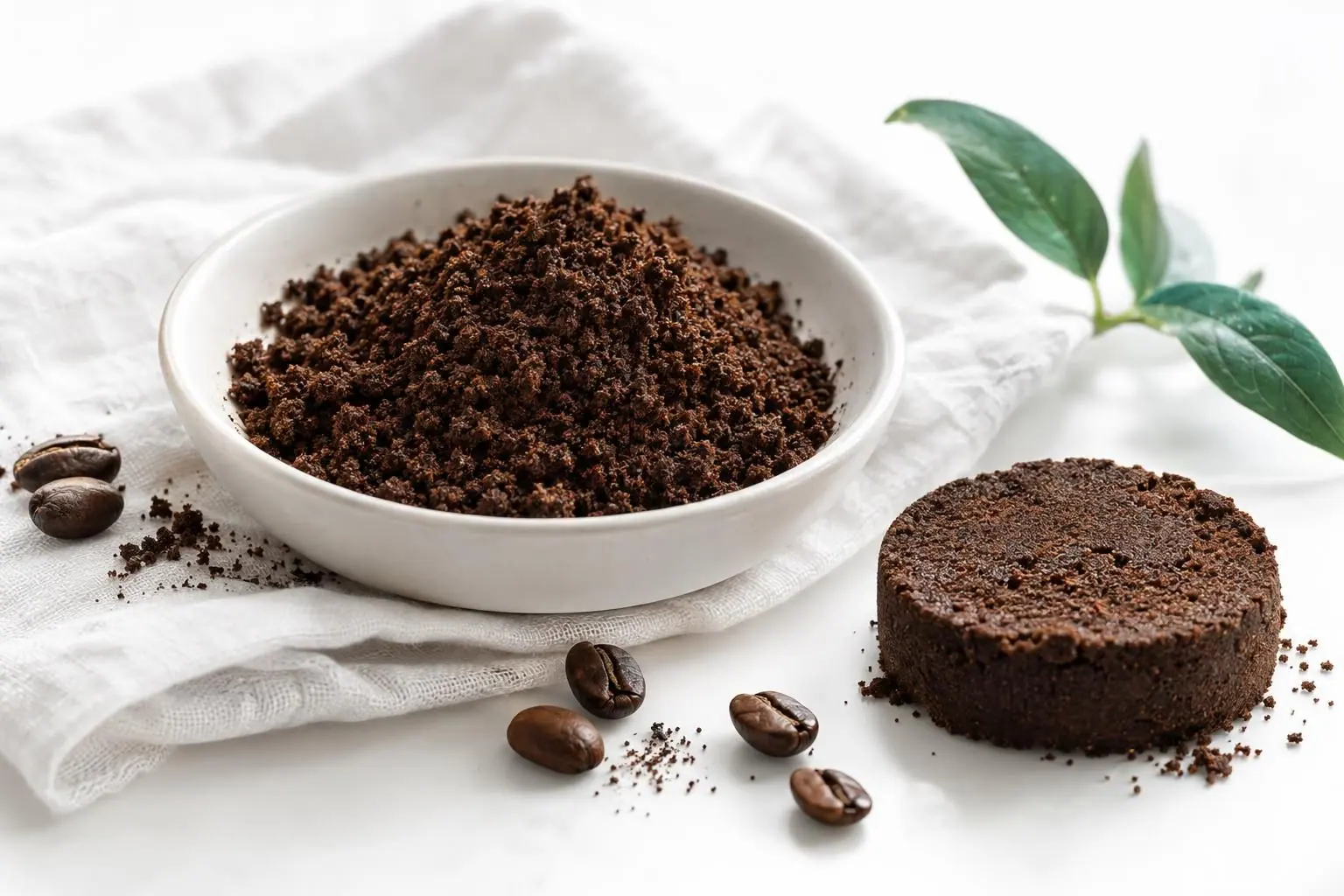
STEP 1Raw material
200,000 tons wasted in Korea every year, with ~40% carbon yield.
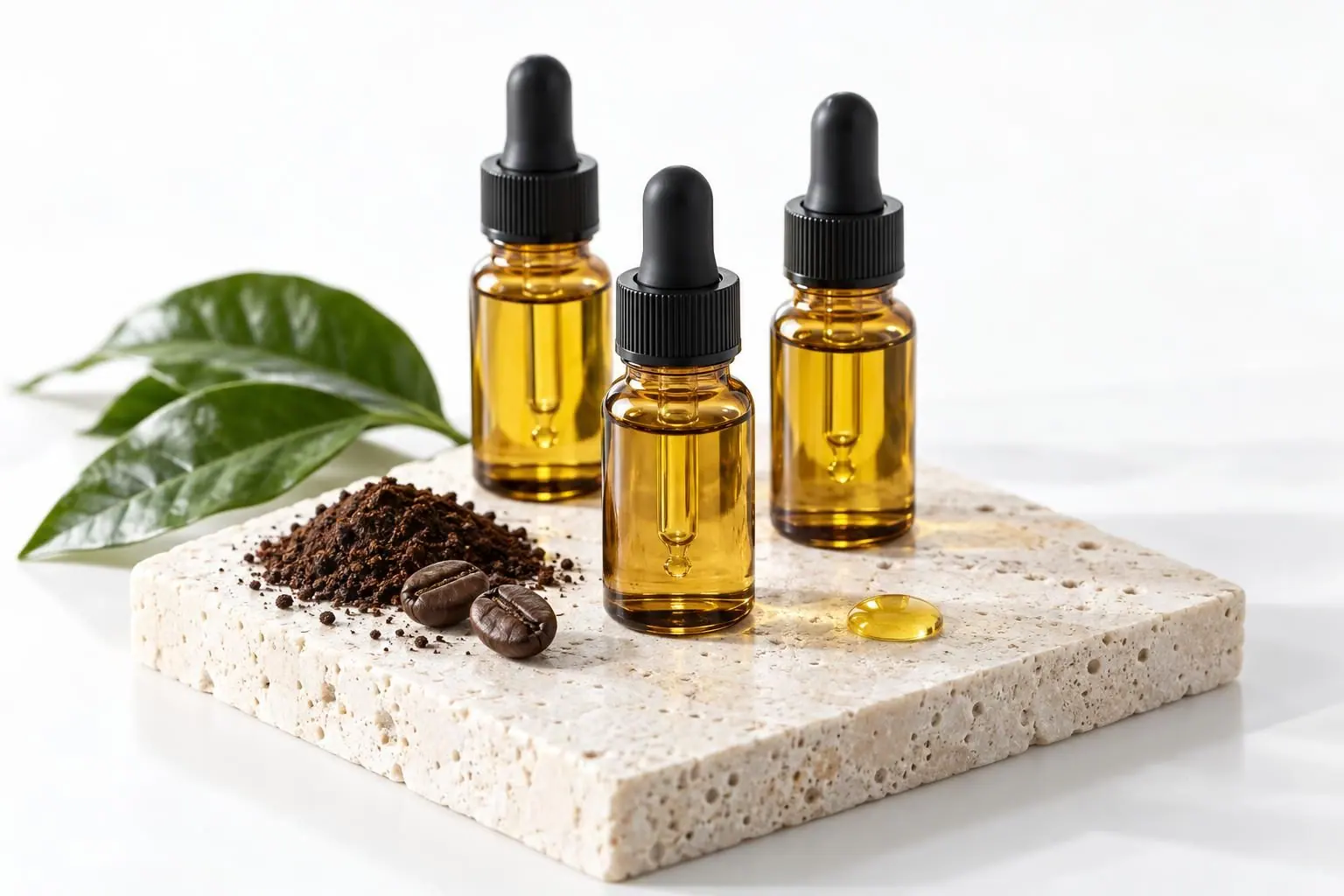
STEP 2Defatting
Sold as a cosmetic ingredient for early cash flow.
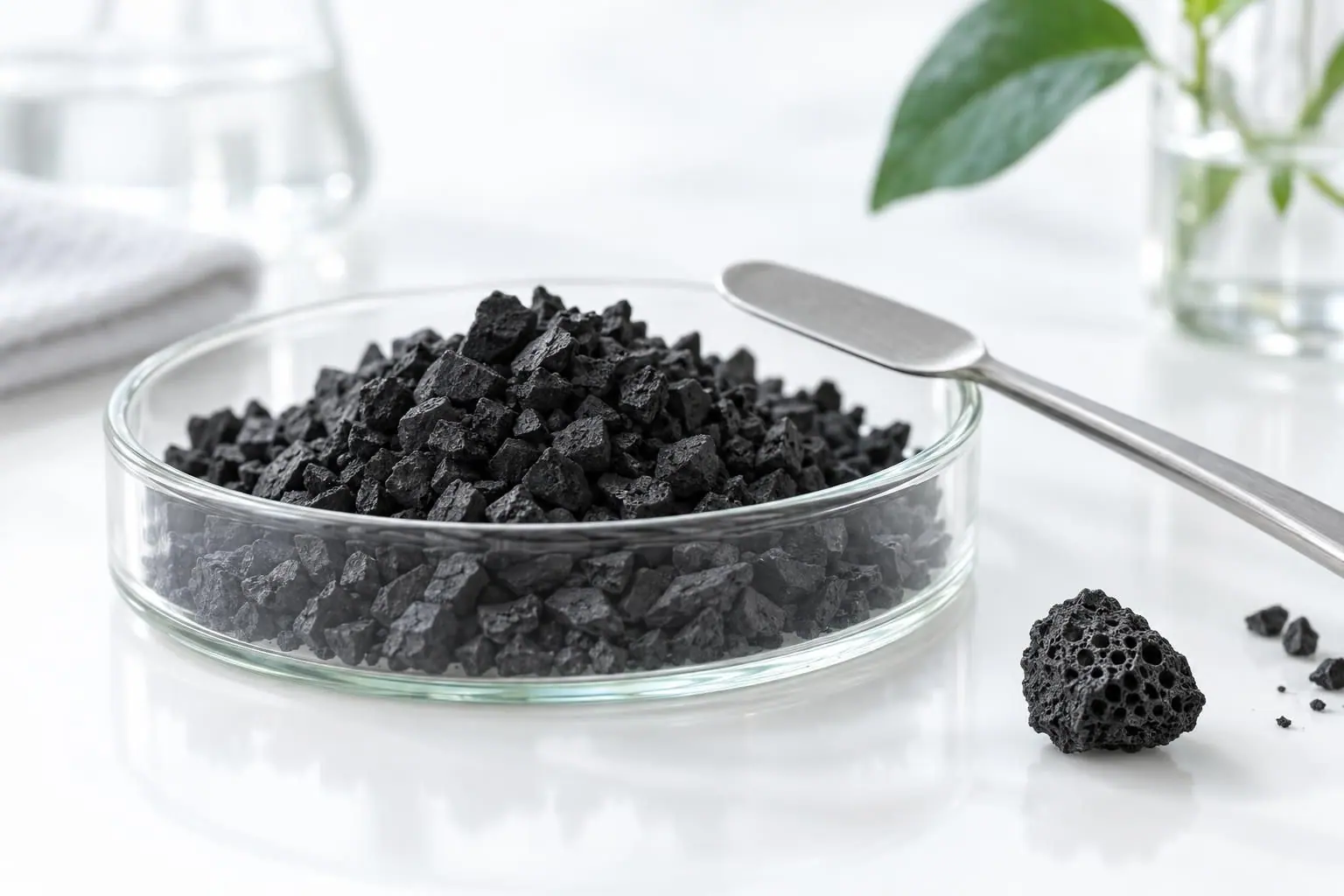
STEP 3Activation
Sold as deodorizer feedstock. Zero loss.
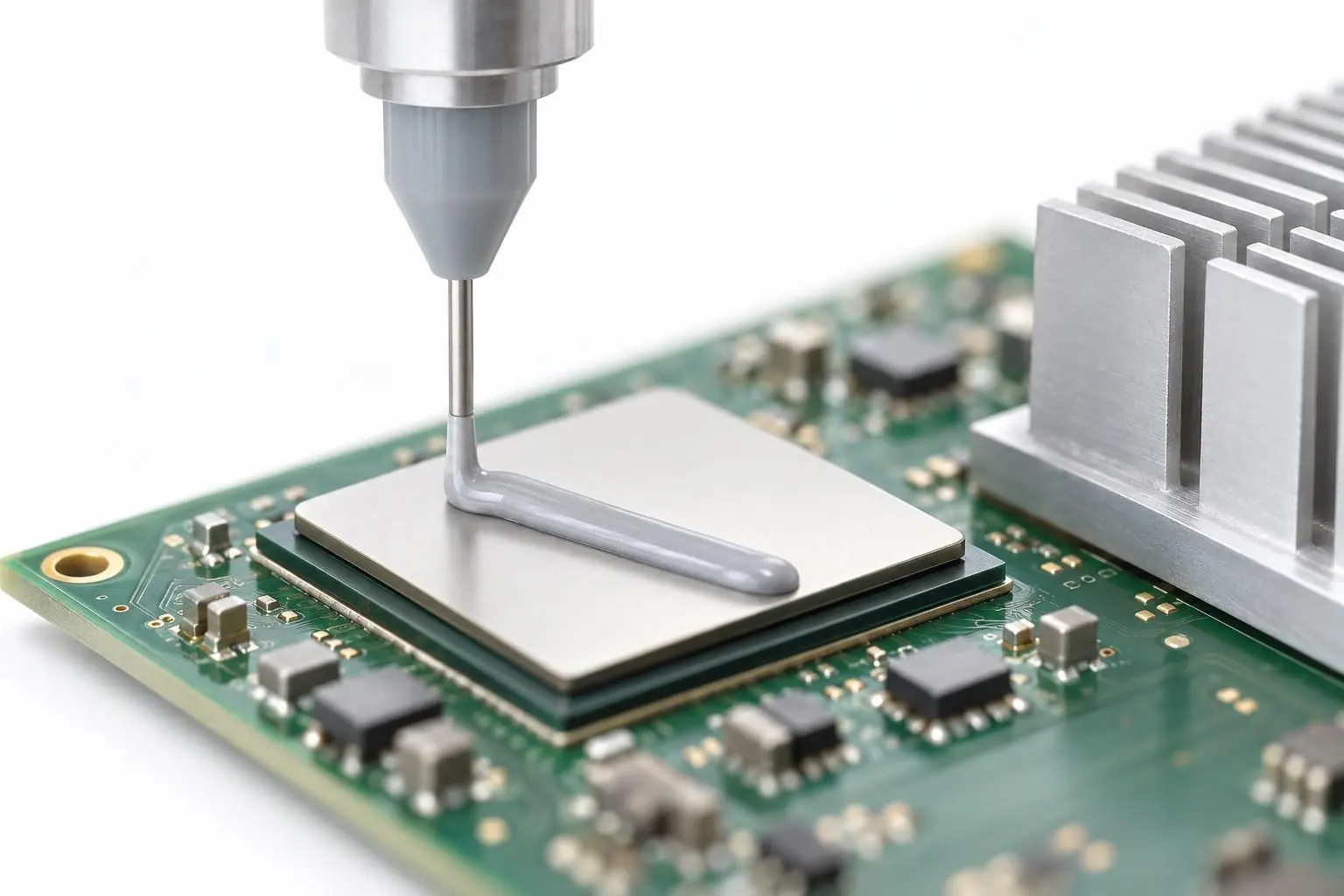
STEP 4Core R&D
Cu-C filler with 12 W/mK, our main revenue.
03Business
Thermal materials lead. Revenue from porous carbon and cosmetic ingredients flows back into research.
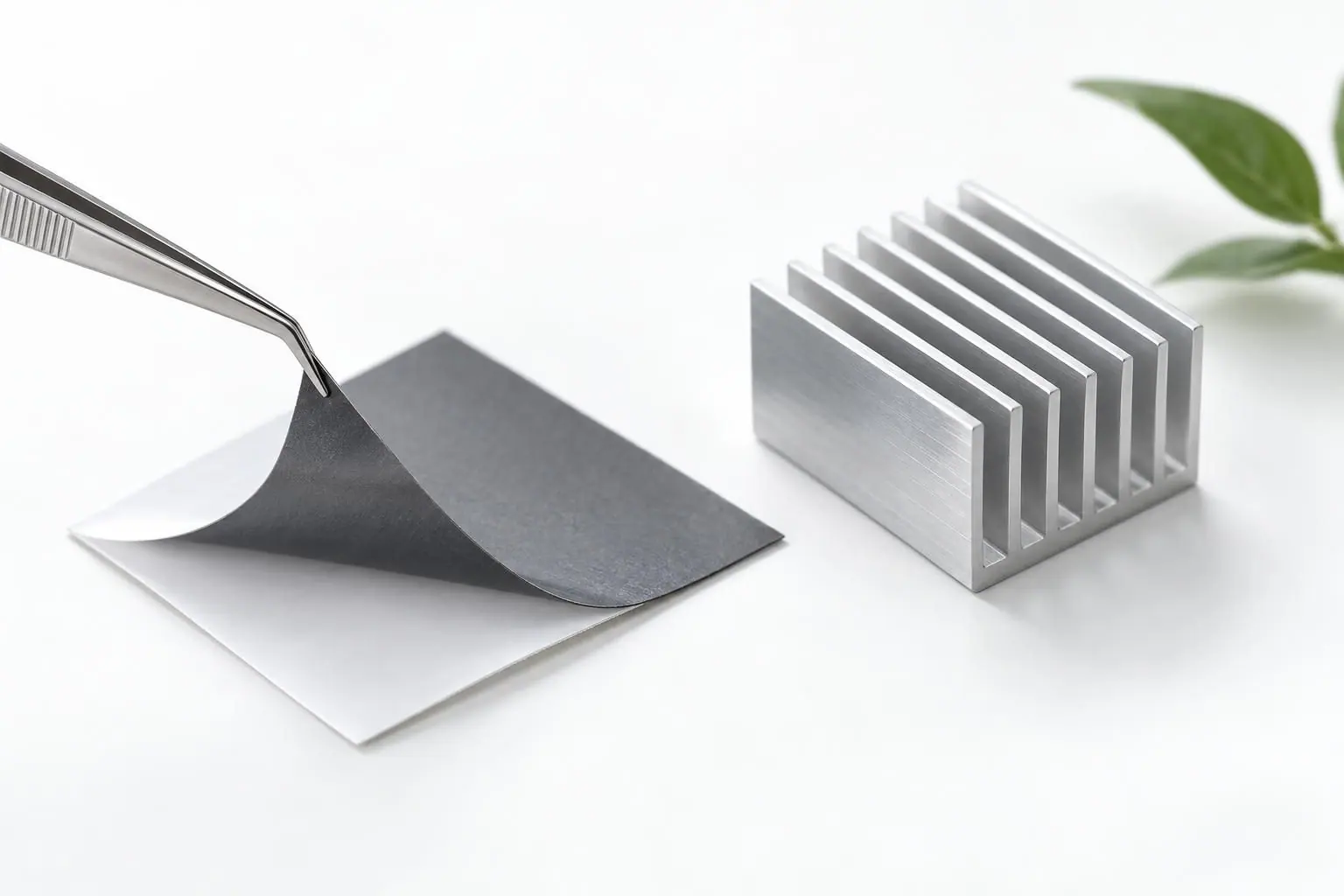
Spherical Cu-C particles from spray pyrolysis with an insulating coating.
Activated coffee grounds become carbon with micro and meso pores.
Coffee oil from defatting is supplied as a cosmetic ingredient.
04Core Technology
Pre-treatment, spray pyrolysis, reduction and nano-coating. The resulting Cu-C particle conducts heat while blocking electricity.
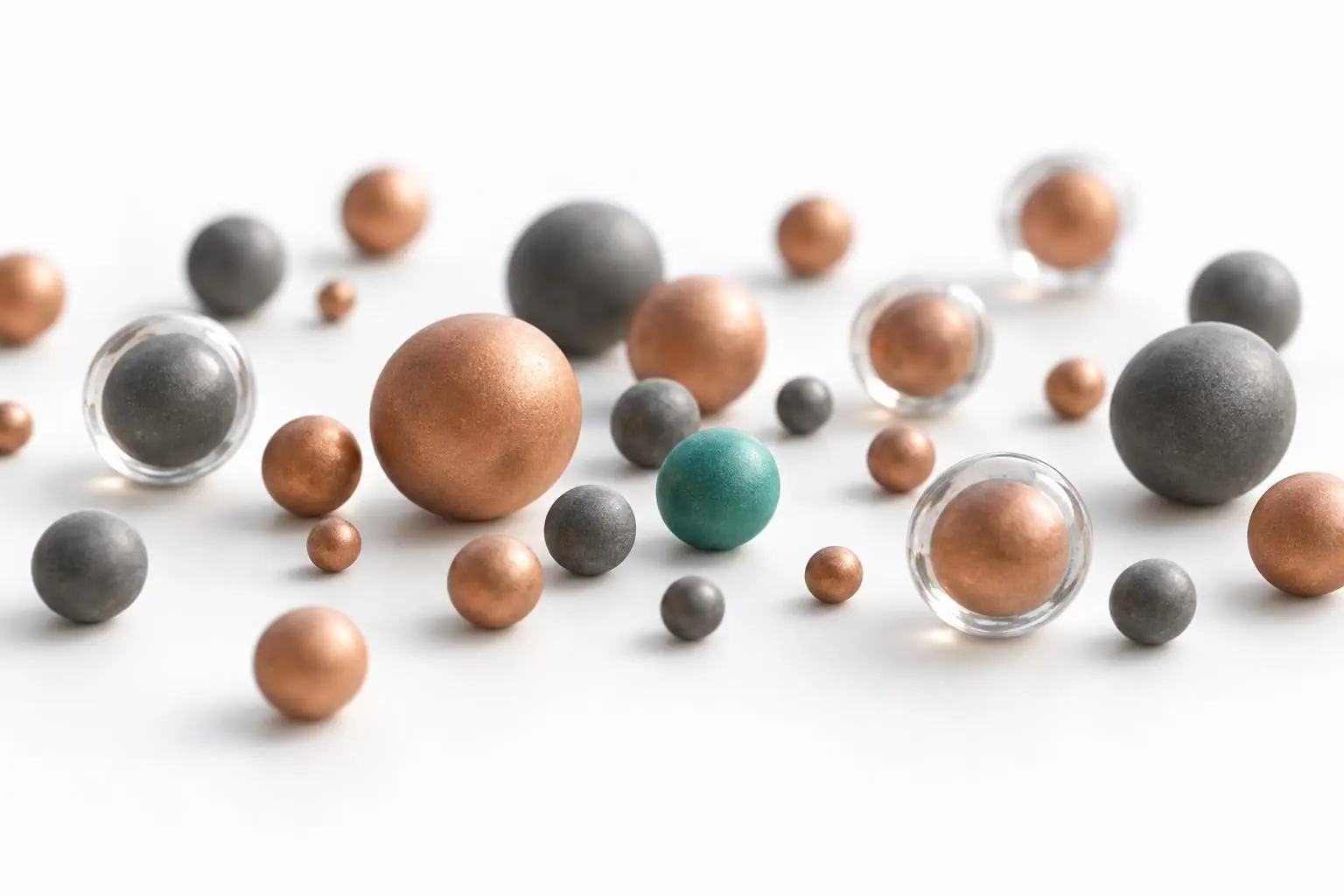
Defatting and activation extract coffee oil and polyphenols and form a porous carbon precursor at near-zero raw cost.
Ultrasonic droplets form 10 μm spherical CuO-C particles that roll like ball bearings, tackling viscosity at the source.
Reduction at 700℃ or below builds a continuous 3D copper network for isotropic 12 W/mK.
A sol-gel coating under 50 nm prevents copper oxidation and secures 10¹² Ω·cm volume resistivity.
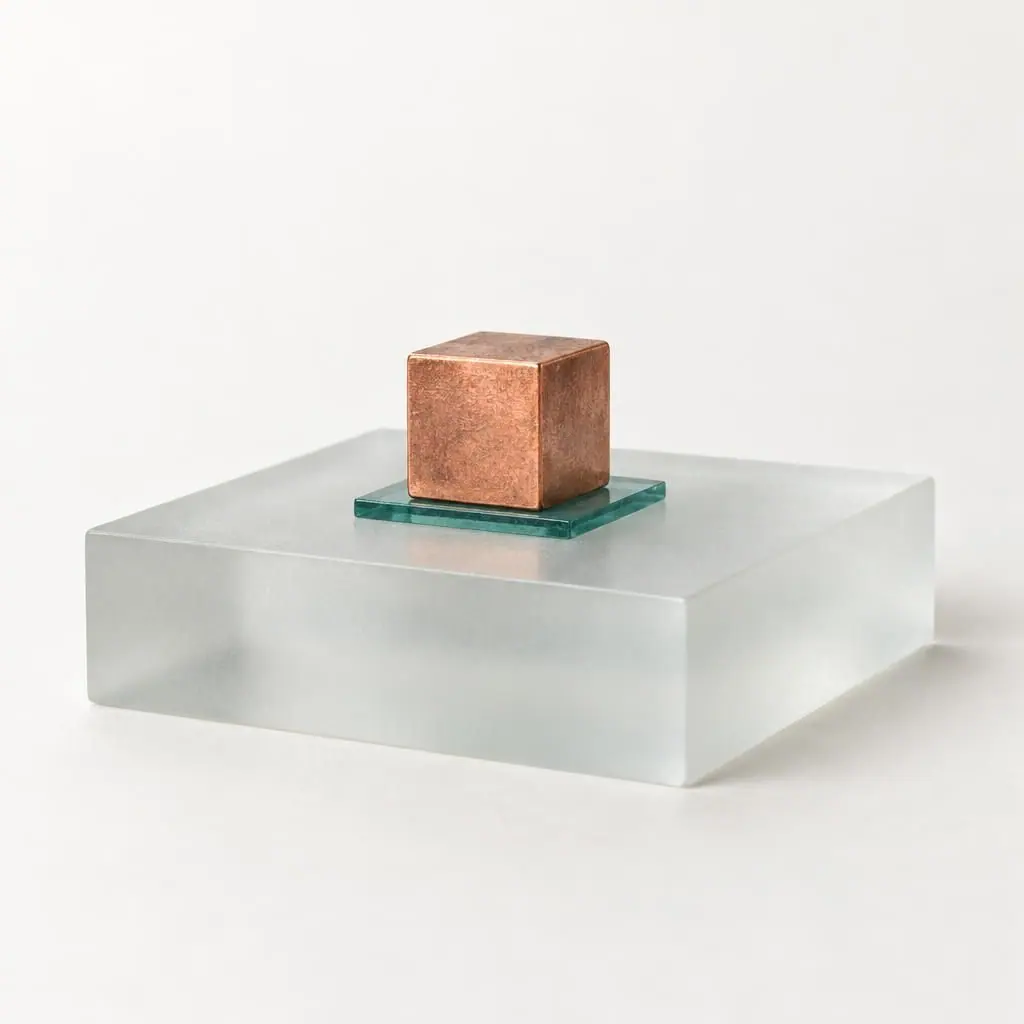 12W/mK
Isotropic thermal conductivity
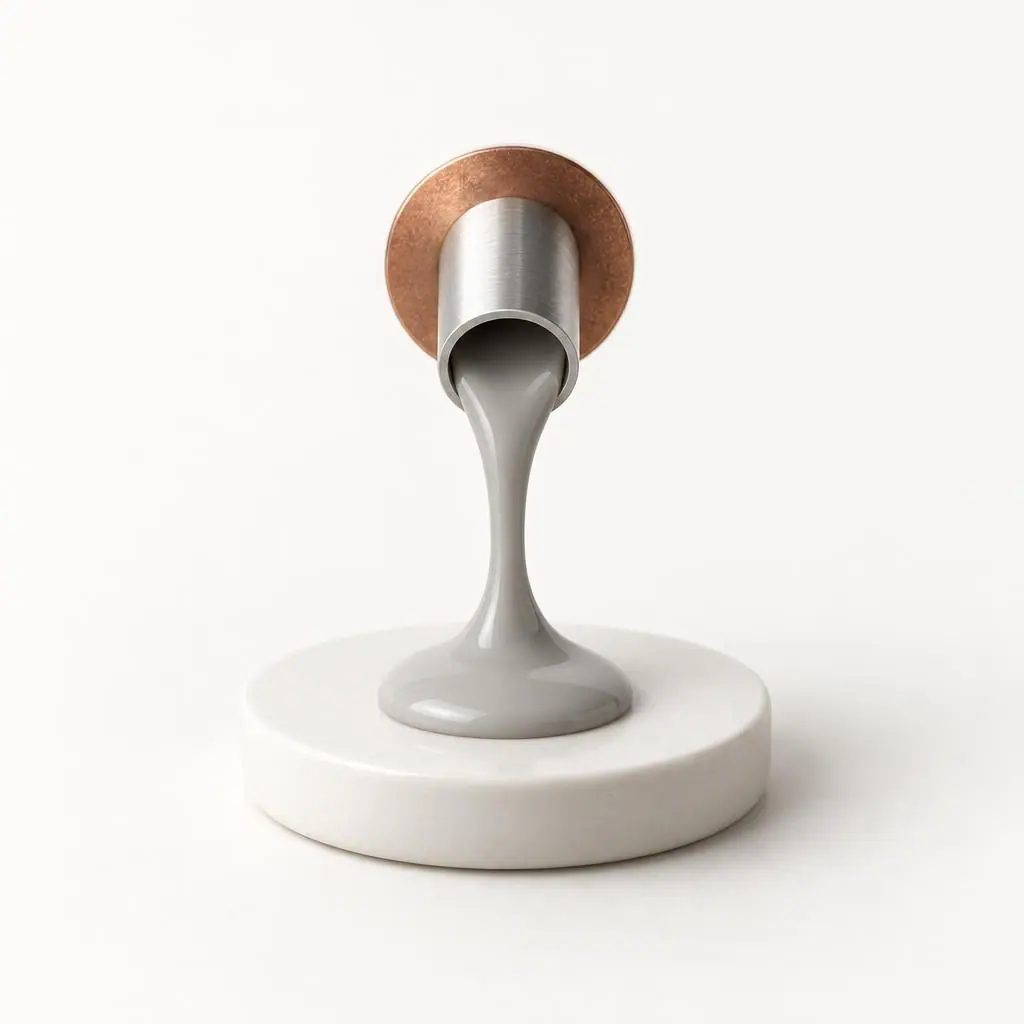 ≤300Pa·s
Auto-dispensing viscosity
 1012Ω·cm
Volume resistivity
 1,000+
Thermal cycle durability
05Comparison
Ceramics are heavy and costly; graphite sheets conduct in one plane. Thermophene Cu-C leads evenly across six criteria.
Thermophene internal assessment, 5 points per axis.
| Axis | Thermophene Cu-C | Graphite sheet | Ceramic (BN, AlN, Al₂O₃) |
|---|---|---|---|
| Thermal | 4 | 5 | 3 |
| Isotropy | 5 | 1 | 4 |
| Processability | 5 | 2 | 2 |
| Lightweight | 4 | 5 | 2 |
| Low cost | 5 | 3 | 1 |
| Eco-friendly | 5 | 2 | 1 |
06Applications
AI Infrastructure
Pulls heat away from 1,000 W+ GPUs and servers.
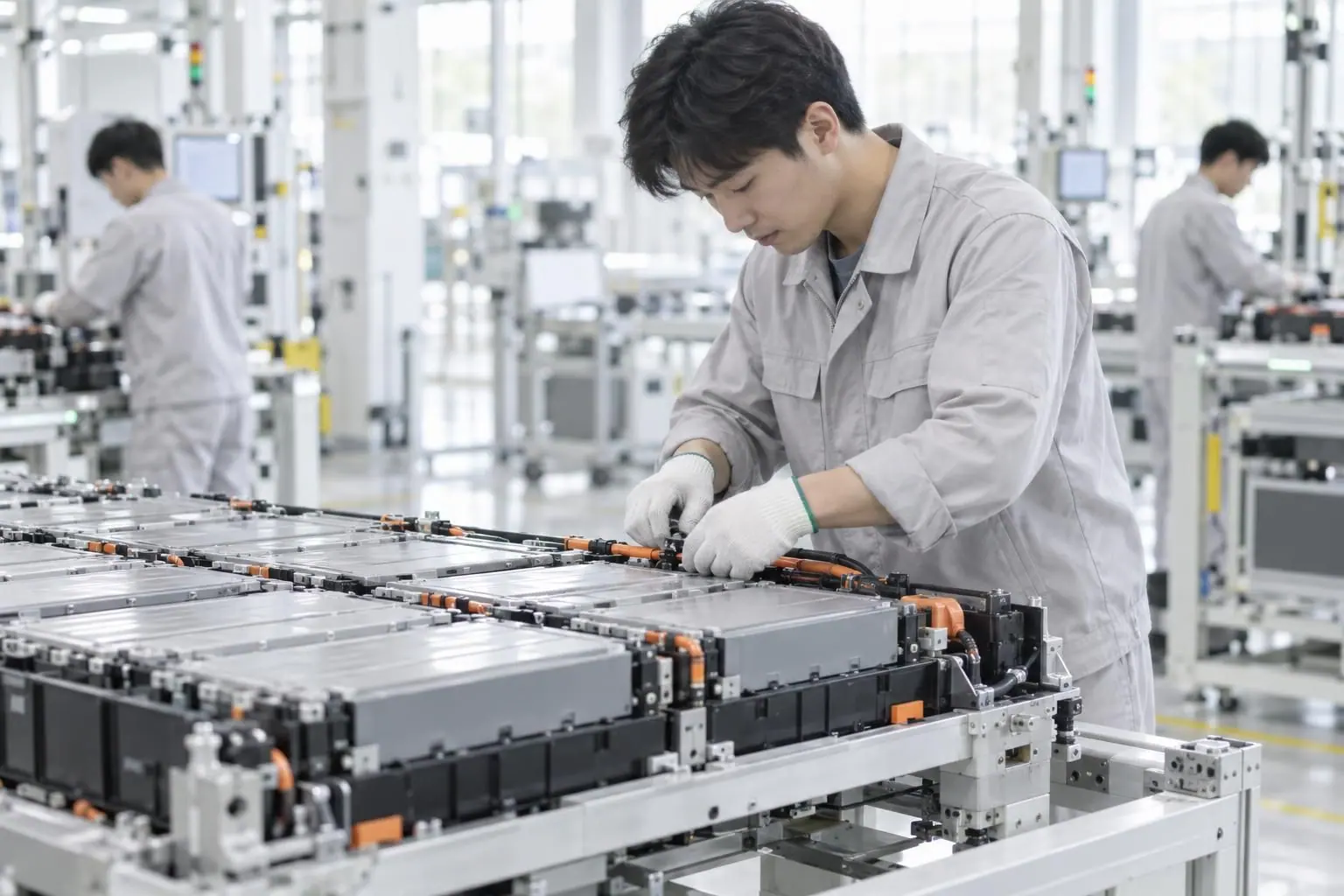
Electric Vehicle
Gap fillers between cells spread heat evenly.
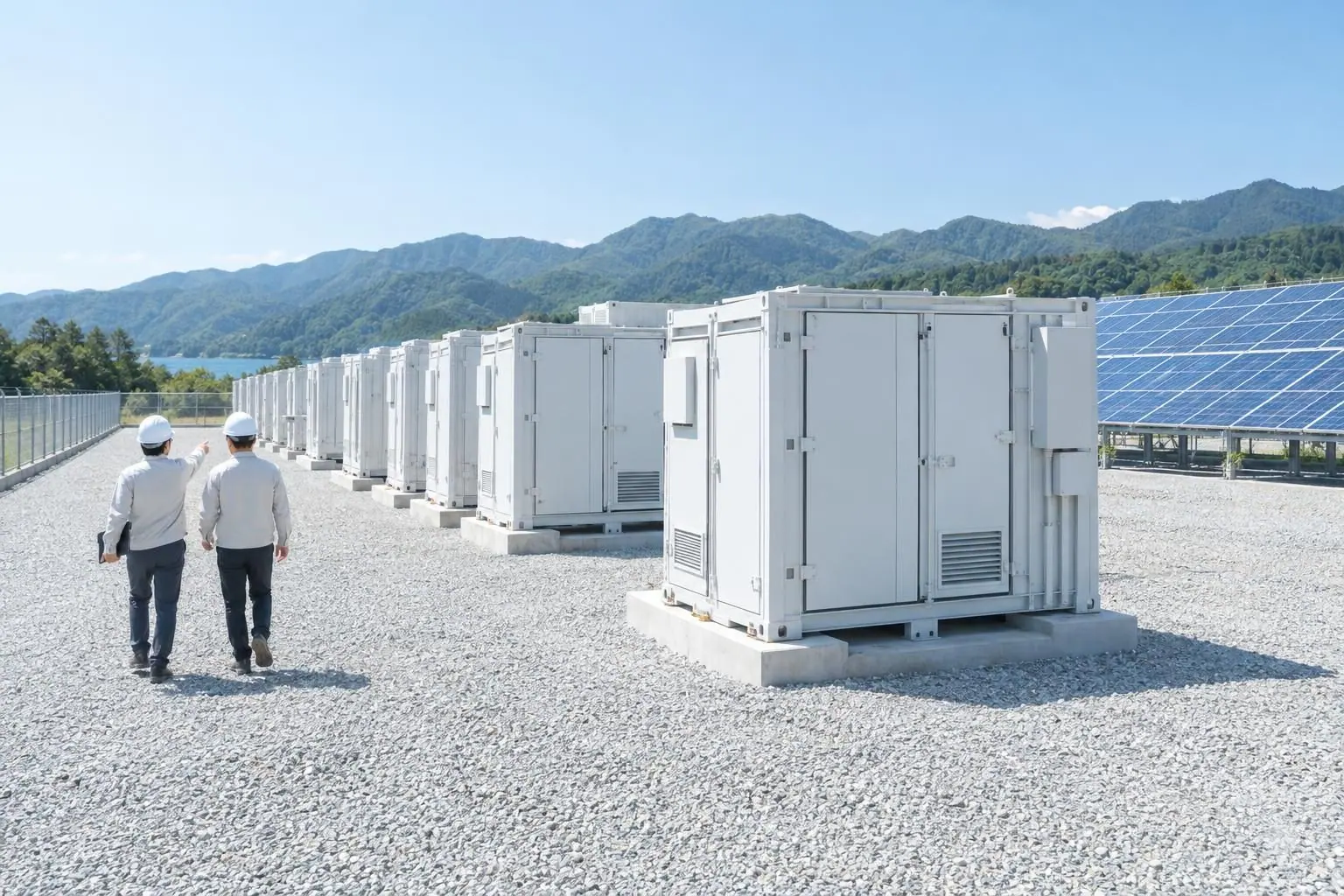
Energy Storage
Improves long-term reliability of always-on storage.
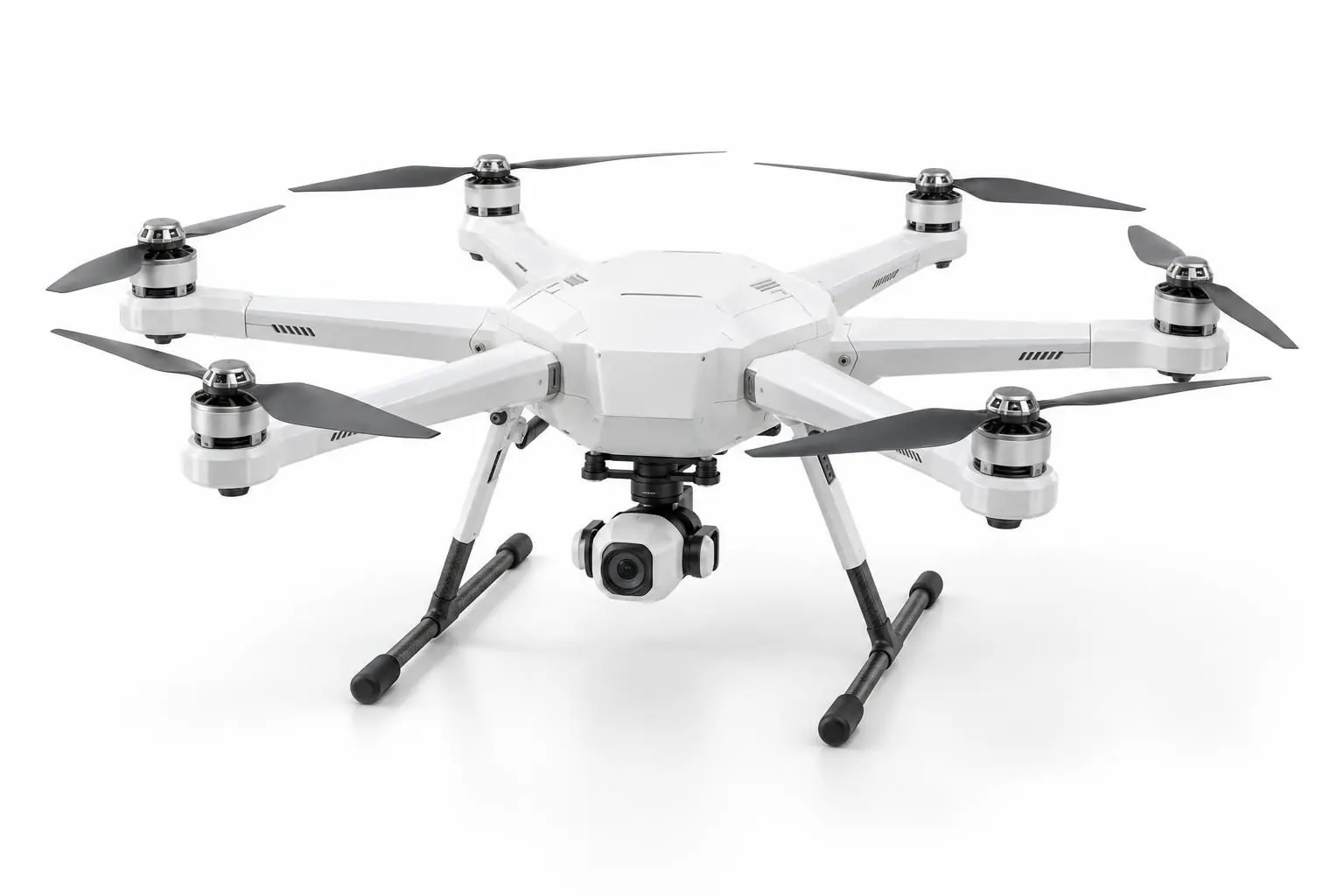
Small Mobility
Light, thin fillers and sheets cool ESCs and batteries.
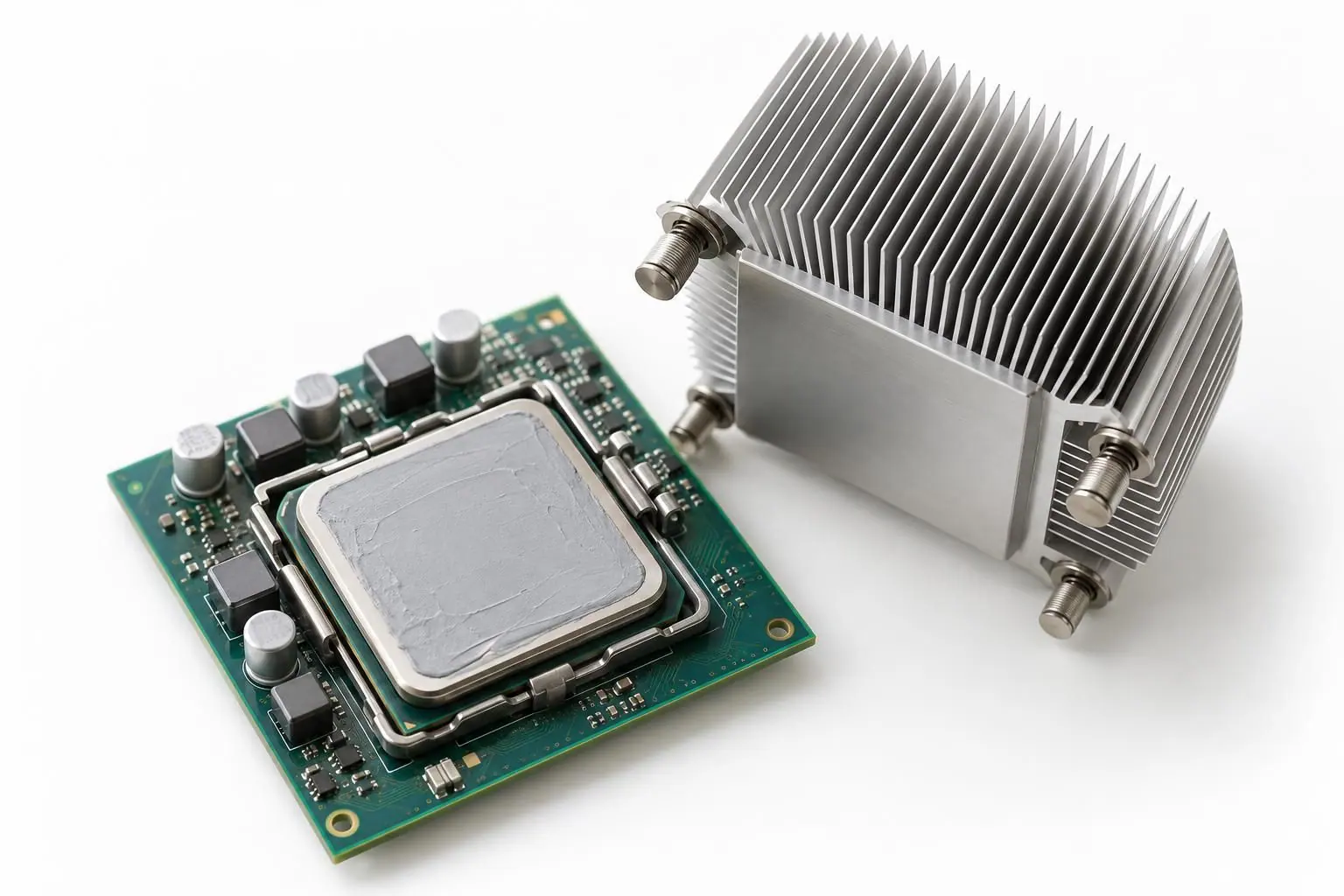
Electronics
Fills chip-to-heatsink gaps to cut contact resistance.
07Milestones
From patent filings to our own lab, the milestones of 2026.
2026
8 milestones
Method for controlling the structure of biomass-derived carbon materials
Korea East-West Power startup support (PoC and MVP)
MOU and letter of intent with a cosmetic ingredient company
Ministry of SMEs and Startups program
Thermophene Co., Ltd. founded in Jeonju, Jeonbuk
Officially recognized as a social venture company
Investment from Jeonbuk Center for Creative Economy and Innovation
Corporate R&D lab opened in Gwangmyeong, Gyeonggi
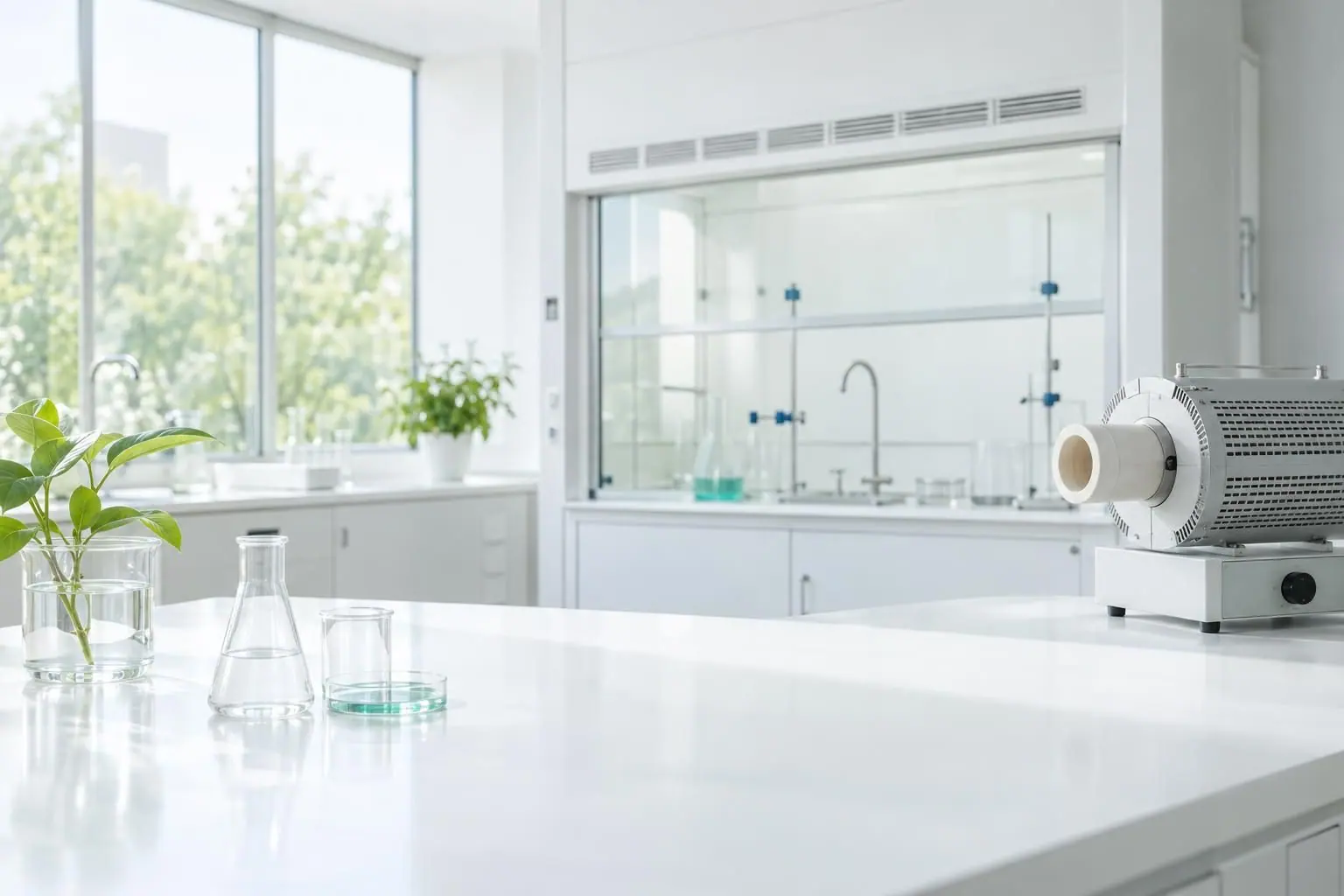
Press
Our new lab in Gwangmyeong G Tower carries on research into Cu-C hybrid thermal materials.
News
The investment accelerates commercialization of our green carbon platform.
Notice
Headquartered in Jeonju, Jeonbuk.
Organizations we work with
Beyond Cooling, Towards Green
Sample requests, partnerships or investment. Leave a note and we will reply personally.